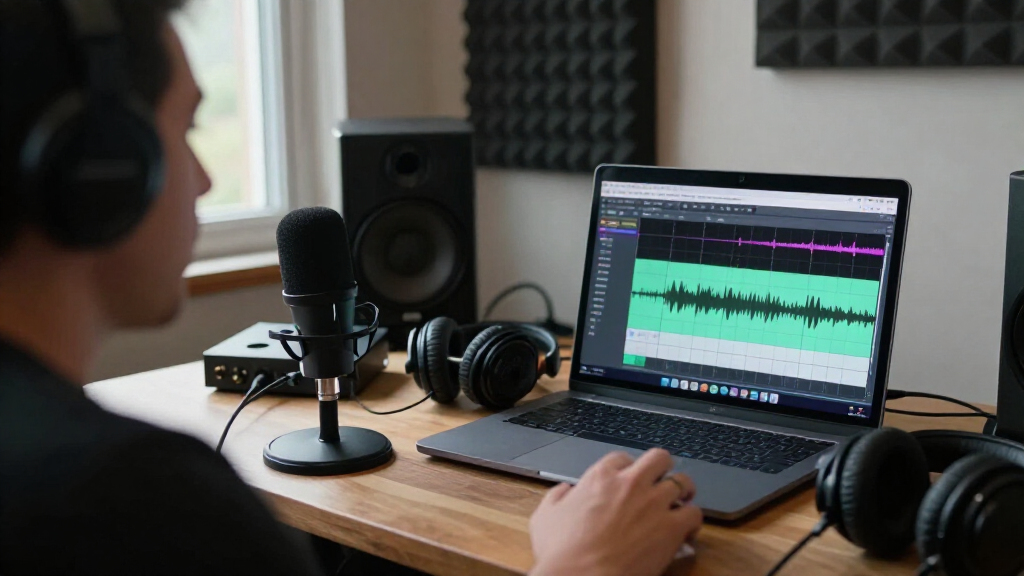

🔍 Read the full analysis: Which AI Voice Cloning Software Guide Fits Your Needs In 2027? on ThorstenMeyerAI.com

Get business pricing on monitors, keyboards and dev gear
- Business-only prices and quantity discounts
- Tax-exempt purchasing
- Multiple users, one account, clear invoices
TL;DR
The source compares 12 books and guides for learning AI voice-cloning workflows, including hosted-service tutorials and technical resources for local implementation. These are learning materials, not software, and their rankings do not establish current tool features, output quality, pricing, or privacy protections.
A comparison of 12 books and guides for learning AI voice cloning points readers toward different routes: platform-focused instruction, beginner introductions, broader audio-production handbooks and coding resources for local workflows. The listings are learning materials, not voice-cloning software, so they cannot by themselves generate audio or verify the capabilities of a service in 2027.
The comparison guide ranks Mastering ElevenLabs as its overall learning pick, citing its coverage of cloning alongside generation, dubbing and audio production. It presents AI Voice Cloning with Python as a better fit for readers who want to build a local engine, and Clone Your Voice: Easy, No Studio as an accessible option for a first project. These are the guide’s assessments of the titles’ apparent scope, not independently verified measures of teaching quality or results.
The comparison also names ElevenLabs for Beginners 2026 and other focused ElevenLabs titles, as well as broader handbooks and resources on audio AI, music creation and local AI. The supplied source does not provide complete bibliographic details for all 12 entries, so the remaining titles cannot be reliably identified here. According to the guide, its ordering reflects topic fit, beginner accessibility and technical depth—not software performance.
The comparison guide distinguishes a hosted-service walkthrough from a local, coding-based workflow. It notes that hosted services may require less setup, while local implementation can involve dependencies, hardware limits, model files and troubleshooting. The guide advises matching a resource to the software or model a reader intends to use and checking current documentation separately.
The 12 picks
- 1
 Clone Your Voice: Easy, No Studio: The Weekend Guide to AI Voice CloningView on Amazon →
- 2
 Mastering ElevenLabs: A Practical Guide to AI Voice Generation, Voice Cloning…View on Amazon →
- 3
 Suno AI Music Bible: A Guide to Prompt Engineering, Suno Studio, Voice Clonin…View on Amazon →
- 4
 The Complete Guide to ElevenLabs: AI Voice and Audio CreationView on Amazon →
- 5
 AI for Caveman: Build Your Own Forge to Run LLMs, Stable Diffusion, and Voice…View on Amazon →
- 6
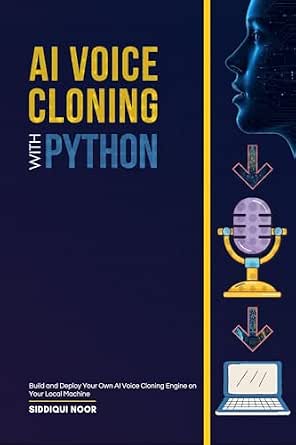 AI Voice Cloning with Python: Build and Deploy a Local Voice Cloning EngineView on Amazon →
- 7
 ElevenLabs: A Complete Guide to AI Voice Generation and CloningView on Amazon →
- 8
 The AI Voice Creator’s Handbook: A Practical Guide to Voice Generation, Cloni…View on Amazon →
- 9
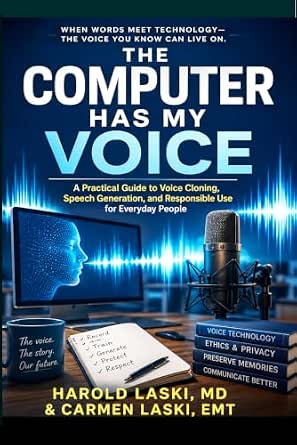 The Computer Has My Voice: An Independent Guide to Voice Cloning, Speech Gene…View on Amazon →
- 10
 AI Voice Cloning: The Complete Guide to ElevenLabs and BeyondView on Amazon →
- 11
 Audio AI for Beginners: Generative AI for Voice Recognition, Text-to-Speech,…View on Amazon →
- 12
 ElevenLabs for Beginners 2026: A Step-by-Step Guide to AI Voice GenerationView on Amazon →
Choosing a Guide Without Buying Software
The comparison guide warns that readers may mistake a book about voice cloning for access to a product that can clone a voice. It describes the titles as instruction; a user still needs to choose and verify a separate service or local model. That distinction matters when evaluating account requirements, current availability, cost, licensing and whether a guide’s examples still match a changing platform.
The guide’s discussion also highlights how the choice affects the amount of setup a learner takes on. A beginner seeking a single narration may find a coding-first resource unnecessarily demanding, while someone studying implementation may need more than a hosted-service tutorial. Its practical point is to choose based on the project and desired control, rather than assuming that broader coverage or greater technical complexity guarantees a better outcome.
On privacy and consent, the comparison advises getting permission from the speaker, checking service rules and data practices, and understanding storage, access and deletion before uploading recordings. Local processing may change where data is handled, but it does not remove consent obligations.
Popular right now

Bose QuietComfort True Wireless Earbuds with Active Noise Cancellation, Black

Vitamix Propel Series 510 Professional-Grade Blender, 3 Programs, Black

Vitamix 5200 Professional-Grade Blender, 64 oz. Container, Black
As an affiliate, we earn on qualifying purchases.
How the Comparison Ranks Resources
The comparison guide says it assessed how directly each title addresses voice-cloning workflows, whether its scope suits a particular skill level, and whether it covers practical work beyond generating a sample, such as dubbing, narration, editing, deployment or production. It favors breadth for general-purpose learning but acknowledges that a focused book may better serve a reader with a specific task.
The guide’s rankings concern books and learning materials; it does not rank them on voice fidelity, latency, licensing, security or subscription features. Those depend on the separate software or model a reader selects and can change over time. The supplied source also gives no publication date, edition history or independent testing results, limiting what can be concluded about how current each resource is for 2027.
What the Listings Cannot Confirm
The supplied comparison material does not identify all 12 titles in full or provide enough bibliographic information to verify editions, authors, publication dates or availability. It also does not document hands-on tests of the guides, so its rankings should be read as editorial judgments about stated scope, not measured learning outcomes.
The source does not establish whether the named guides have been updated for changes to platforms, models or policies by 2027. Nor does the comparison confirm current software pricing, features, data-retention practices or licensing terms. Readers should check those directly with each provider and confirm that a book’s instructions correspond to the version they plan to use.
Check Editions and Tool Documentation
Before buying, readers can inspect each title’s contents and edition date, then compare its examples with the current documentation for the chosen service or model. For a local workflow, that includes checking supported hardware, installation requirements and model availability; for a hosted service, it means reviewing account terms, usage rules and data practices.
The comparison advises anyone planning to clone another person’s voice to establish permission and review applicable service policies before recording or uploading audio. The source gives no announced update, testing milestone or follow-up date for the comparison, so whether its recommendations will be revised for 2027 remains unconfirmed.
Key Questions
Do these 12 picks include voice-cloning software?
No. The comparison describes them as books and guides that teach workflows. Readers need to select separate software or a local model.
Which guide does the source recommend overall?
The comparison names Mastering ElevenLabs as its overall learning pick because it covers cloning, generation, dubbing and audio production. That is the guide’s assessment of the resource’s scope, not a software-performance test.
Which resource suits someone who wants to build a local voice-cloning engine?
The comparison points to AI Voice Cloning with Python for readers seeking implementation skills. A local coding workflow may involve setup and troubleshooting, so it may not suit someone looking for a simple hosted process.
Do the rankings confirm which software is best in 2027?
No. The comparison did not assess current voice quality, latency, pricing, security or licensing. Those details depend on the chosen tool and should be checked with its provider.
What should readers check before cloning a voice?
The comparison advises getting the speaker’s permission, reviewing the provider’s rules and data practices, and understanding where recordings are stored and who can access them. A local workflow does not remove the need for consent or lawful use.
Source: ThorstenMeyerAI.com