📊 Full opportunity report: Work Style At The Center Of Cofounder Matching on IdeaNavigator AI — validation score, market gap, and execution plan.

Get business pricing on monitors, keyboards and dev gear
- Business-only prices and quantity discounts
- Tax-exempt purchasing
- Multiple users, one account, clear invoices
TL;DR

IdeaNavigator AI has proposed a focused test of cofounder matching based on work style, including decision-making, conflict, risk tolerance and pace. The concept is a product proposal, not evidence that such assessments predict lasting partnerships; its suggested validation would track 200 early-stage pairs for 12 months.
IdeaNavigator AI has proposed testing work-style matching as a focused service for founders seeking cofounders, adding assessments of decision-making, conflict, risk tolerance and work pace to the existing search process. As described in the proposal on IdeaNavigator AI’s website, the concept targets a practical gap in founder pairing, but is not a report of a launched service or proven compatibility method.
According to IdeaNavigator AI’s proposal, the product would combine a work-style assessment with founder profiles and matching. Instead of showing only shared skills or interest in the same startup idea, it would present a compatibility map and identify potential friction points between two people. The proposal names decision-making, conflict handling, risk appetite and pace as assessment dimensions.
The proposal also includes structured trial-project templates so prospective cofounders could work together before making a longer-term commitment. IdeaNavigator AI suggests charging through a premium matching subscription and paid compatibility reports, including reports for pairs who are already working together. The proposal provides no pricing, assessment design, operating team or product release details.
For validation, IdeaNavigator AI recommends offering compatibility reports to 200 existing early-stage pairs and comparing their scores with whether the partnerships remain active after 12 months. This is a suggested research plan, not a completed study: the proposal reports no results, participant details or partnership survival rates.
Testing Fit Beyond Skills
A cofounder relationship affects how a startup makes decisions and responds to pressure. A matching service that helps founders discuss disagreements, risk and working pace before committing could give them a structured way to surface differences that a skills list does not capture. The proposed trial projects would also let people observe one another’s working habits rather than rely only on self-description.
But the idea’s central premise remains to be tested. The proposal describes partnership breakups as a major startup threat, but supplies no figures or evidence for that characterization. Nor does it show that a questionnaire can predict which partnerships will last. The product’s value would depend on whether its assessments correspond to actual collaboration and whether users find its friction warnings useful, rather than simply presenting personal preferences as a forecast.
For founders, the immediate relevance is therefore the approach, not a new proven tool: work style is being framed as a potential missing layer in cofounder search. For providers of founder services, the suggested test offers a measurable question—whether assessment scores relate to partnership survival—before claims about predictive matching are made.
Popular right now

LG 85-Inch QNED73B Mini LED 4K Smart TV (2026)

Apple AirPods Pro 3 Wireless Earbuds with Active Noise Cancellation
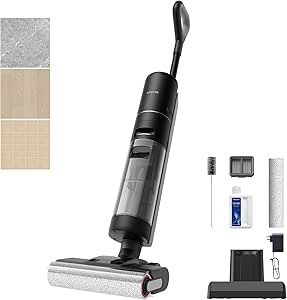
Dreame G10 Pro Wet and Dry Vacuum Mop
As an affiliate, we earn on qualifying purchases.
From Profile Search to Compatibility
IdeaNavigator AI’s proposal places the concept in the founder services and startup formation market. It says Y Combinator’s cofounder-matching platform helped normalize structured searches for cofounders, creating an audience for products that could add another dimension to matching. The proposal offers no adoption figures or comparative data on existing platforms to support this account of the market opportunity.
The suggested distinction is to supplement conventional profile information, such as skills and shared interest in an idea, with how prospective partners expect to work together. That is a narrower proposition than replacing founder search: the intended first customer, according to the proposal, is specifically a founder looking for a cofounder. Reports for established pairs are described as a possible additional revenue line.
In the sequence outlined by IdeaNavigator AI, a matching layer would first identify possible pairs, then a compatibility map and trial project would help them assess the fit. The proposal recommends a 12-month follow-up as a longer-term check. No implementation timeline or evidence that any of these steps are operating is provided.
Evidence Still Needed
No assessment has been validated in the information available, and the IdeaNavigator AI proposal reports no results connecting work-style scores with partnership outcomes. It is unclear how the proposed test would define a partnership as surviving, account for teams that change roles or company direction, or distinguish the effect of compatibility from factors such as funding, market conditions and founder experience.
The proposal also does not specify the questions or scoring method, how it would handle differences between self-reported preferences and behavior, or how it would protect sensitive personal information. The suggested sample of 200 pairs has no stated recruitment method or comparison group. Without those details, readers cannot judge whether the planned study would support reliable conclusions.
IdeaNavigator AI provides no confirmation of a product launch, pricing, partner platform or customer demand. Any assessment warnings should not be treated as a diagnosis of a relationship, and the proposal does not establish that compatible work styles guarantee a successful company.
A Proposed Yearlong Test
The next step outlined in IdeaNavigator AI’s proposal is to offer compatibility reports to 200 early-stage founder pairs and track their partnerships over 12 months. If carried out, that test could provide an initial comparison between assessment scores and whether the pairs continue working together. The proposal gives no start date, says nothing about whether recruitment has begun and does not identify who would conduct the follow-up.
Before the concept can support claims about predictive value, the assessment criteria and outcome measures would need to be specified and results reported. Any eventual product launch, subscription price and availability also remain unannounced. For now, the development is a proposed validation path for a work-style matching idea, not evidence that the approach improves cofounder outcomes.
Source: IdeaNavigator AI proposal
Key Questions
What is the proposed cofounder-matching product?
IdeaNavigator AI’s proposal would add a work-style assessment covering decision-making, conflict, risk tolerance and pace to founder profiles, then show compatibility maps and possible friction points.
Is the matching method already proven?
No. The proposal provides no validation results showing that assessment scores predict lasting cofounder partnerships.
How does the proposal suggest testing the idea?
IdeaNavigator AI recommends giving reports to 200 early-stage pairs and comparing their scores with partnership status after 12 months. The plan is proposed, not reported as completed.
Would the service be for existing cofounders too?
Yes. Although the first target customer is a founder searching for a cofounder, the proposal also suggests paid compatibility reports for existing pairs.
When will the product be available?
No launch date, pricing or availability information has been provided. The concept remains a product proposal.
Source: IdeaNavigator AI