
📊 Full opportunity report: A Simple Daily Call For Seniors Aging In Place on IdeaNavigator AI — validation score, market gap, and execution plan.

Get business pricing on monitors, keyboards and dev gear
- Business-only prices and quantity discounts
- Tax-exempt purchasing
- Multiple users, one account, clear invoices
TL;DR
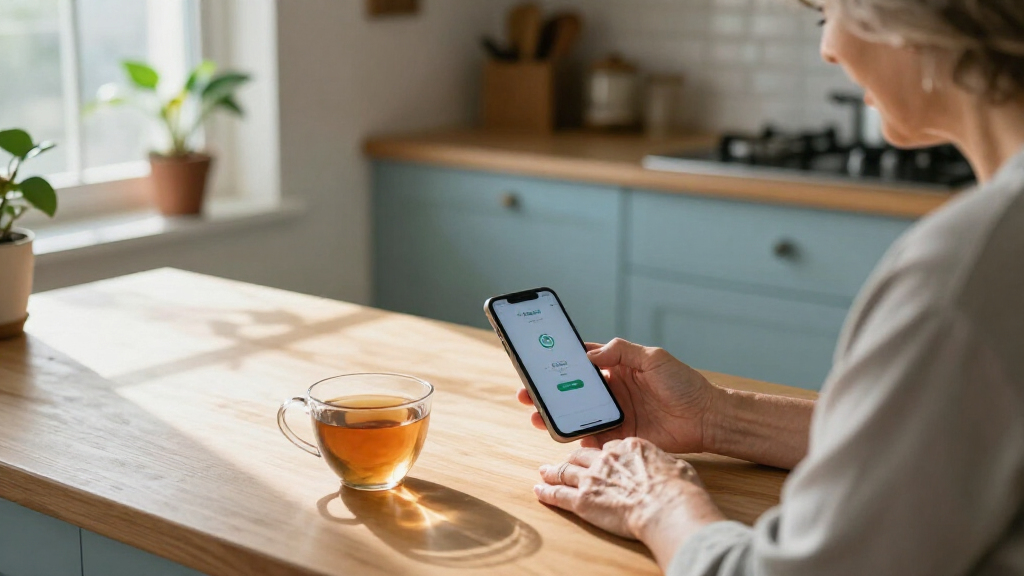
IdeaNavigator AI has proposed testing scheduled AI phone calls that ask seniors living alone a few wellness questions and notify an adult child if a call is missed or raises concern. The proposal calls for a three-week pilot with 15 senior-and-family pairs; it does not report that a service has launched or that the approach has been tested.
IdeaNavigator AI has proposed a three-week pilot of scheduled AI phone calls for seniors living alone, with a text alert to an adult child if a call is missed or raises concern. The proposal targets families who live in different cities and want a routine check-in, but it describes an idea to validate, not a service already shown to be effective.
The proposed service would place a short daily call to a senior using a landline or mobile phone and ask a few wellness questions. If the person answers and the call does not raise concern, the system would send the adult child a simple all-clear text. A missed call or concerning response would prompt a flag for follow-up.
The suggested first test would involve 15 senior-and-adult-child pairs over three weeks. The plan is to measure how often seniors answer and whether families consider the all-clear alerts valuable enough to pay for. No results, participant recruitment details or pricing are provided.
The proposed business model is a monthly subscription paid by the adult child for each parent using the service. The proposal presents natural-sounding voice AI as a reason the calls may now be practical and affordable at scale, but it provides no cost estimates or evidence about how seniors would respond to automated calls.
A Routine Check, Not Emergency Care
For families separated by distance, a daily call could create a regular opportunity to notice a missed check-in without requiring an adult child to place a call every day. A prompt alert might help a family member decide to try calling the senior or contact someone nearby. The concept is aimed at a gap between informal family contact and more intensive monitoring.
That potential benefit depends on what the alerts mean in practice. A completed call cannot establish that a person is safe for the rest of the day, and a missed call can have many explanations, including a dead phone battery or a change in routine. The proposal does not describe the service as emergency response, and there is no information about automatic escalation to emergency services or local contacts.
The pilot’s proposed measures also focus on answer rates and willingness to pay, not on whether calls detect emergencies, reduce harm or improve health outcomes. Those distinctions matter to families weighing the service: an all-clear text may provide reassurance, but it should not be read as a clinical assessment or a guarantee of safety.
Popular right now

Philips 4400 Series Fully Automatic Espresso Machine with LatteGo Milk System

De'Longhi Dinamica Plus Fully Automatic Espresso Machine

TCL 85-Inch QM6K Series QLED Mini LED 4K HDR Smart Google TV
As an affiliate, we earn on qualifying purchases.
How the Proposed Pilot Would Work
The idea is framed around a specific customer: an adult child whose independent parent lives alone in another city. The problem identified is that family members may worry about a parent but be unable to call every day, leaving a fall or difficult day unnoticed until someone makes contact. The proposed call would add a scheduled check-in rather than replace existing relationships or care.
IdeaNavigator AI describes the opportunity as part of aging-in-place wellness and family peace of mind. Its suggested test is deliberately small: configure daily calls for 15 pairs, run them for three weeks, then examine call-answer rates and whether families value the alert enough to subscribe. The proposal does not say that this test has begun, or provide a timetable for it.
The concept depends on a phone-based interaction and a text message to the adult child. It does not specify the questions the AI would ask, how responses would be judged as concerning, or how the system would handle a senior who cannot hear, speak comfortably, or understand the call. These details would shape whether the workflow is useful to a varied group of older adults.
Safety, Consent and Alert Rules
No pilot findings are available in the proposal, so it is not known whether seniors would answer reliably, accept a daily automated call or find it helpful. The suggested three-week test is short, and its proposed measures would not by themselves establish whether the calls prevent harm or identify urgent situations accurately.
The proposal does not explain how seniors would give informed consent, what personal information would be collected or retained, or how family members would be authorized to receive updates. It also leaves open how an AI would distinguish a concerning answer from an ordinary change in mood or routine, and how false alarms or missed alerts would be handled.
Other practical questions include what happens when a senior does not answer, whether the system retries, who is expected to follow up, and whether the service operates outside standard hours. The suggested all-clear is an alert about a call, not confirmation of a person’s condition throughout the day. No pricing, technical provider, service availability or emergency-response arrangement is specified.
Pilot Results Would Test Demand
The next step outlined in the proposal is to run the three-week test with 15 pairs and review answer rates alongside families’ stated willingness to pay. No start date or recruitment plan has been announced in the available description. Until a pilot is conducted and its findings are reported, the idea’s practical performance and customer demand remain unverified.
If a test proceeds, useful reporting would include how often calls are answered, how missed calls are followed up, whether seniors consent to continued use and how often alerts lead to unnecessary concern. Families would also need clear information about privacy, pricing and the limits of the service before deciding whether a routine AI call fits their care arrangements.
Source: IdeaNavigator AI
Key Questions
Has a daily AI check-in service for seniors launched?
The proposal describes a service concept and a possible pilot. It does not report a launch or an operating service.
How would the proposed calls work?
A scheduled AI call would ask a few wellness questions. The plan says an adult child would receive an all-clear text after a routine call or a flag if the call is missed or concerning.
What is the proposed pilot?
IdeaNavigator AI suggests testing calls with 15 senior-and-adult-child pairs for three weeks, measuring answer rates and whether families value the alerts enough to pay.
Would an all-clear alert confirm that a senior is safe?
No such guarantee is described. An all-clear would indicate that a call took place without a flagged concern; it would not establish a person’s condition for the rest of the day.
How much would the service cost?
No price is given. The proposed model is a monthly subscription billed to the adult child for each parent, with willingness to pay identified as something to test.
Source: IdeaNavigator AI