🔍 Read the full analysis: Supporting Older Adults In Adopting AI For Everyday Tasks on ThorstenMeyerAI.com
Prime for Young Adults — start your free trial
Fast free delivery, streaming and member deals for eligible 18–24 year olds.
Try it freeAs an affiliate, we earn on qualifying purchases.
TL;DR
OpenAI has issued a new guidance initiative to assist older adults in using AI tools for daily activities. The move aims to improve accessibility and address the needs of a rapidly growing senior population, though specific program details remain unconfirmed.
OpenAI has released a guidance document titled “Helping older adults use AI in everyday life,” aimed at facilitating AI adoption among seniors. The initiative emphasizes the potential benefits of AI assistants for older users, including managing health, staying connected, and simplifying daily tasks, while addressing barriers such as mobility, vision, and memory challenges.
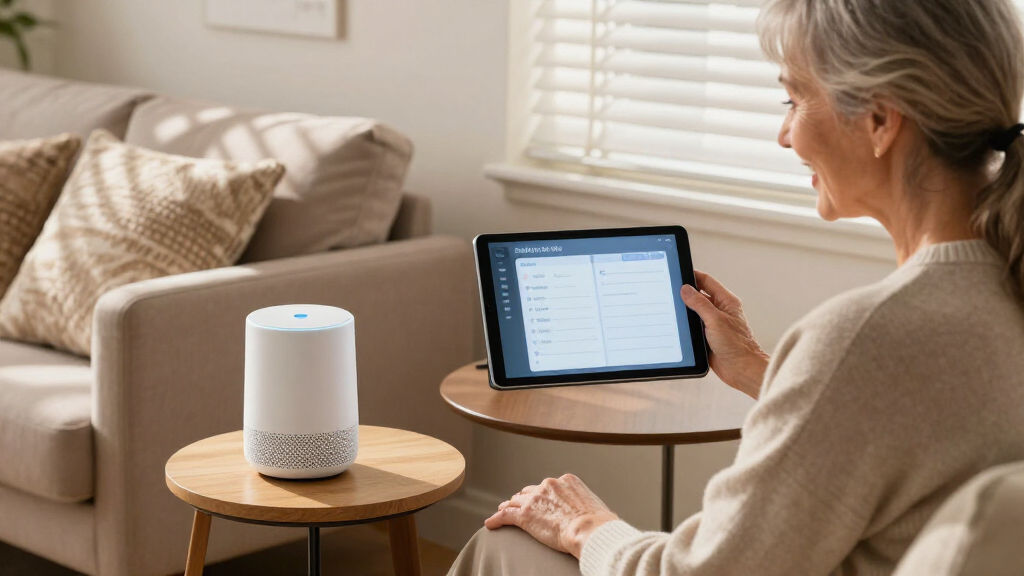
The publication highlights that people over 65 are among the fastest-growing online user groups, yet they are often underserved by mainstream AI product design. OpenAI’s guidance suggests that conversational AI, like ChatGPT, can serve as accessible tools for seniors, especially when tailored to their needs. While specific features or programs are not detailed in the available material, the emphasis is on making AI more approachable through natural language interaction.
OpenAI’s approach aligns with a broader industry trend: shifting from specialized, simplified devices to general-purpose AI assistants that leverage conversational interfaces. This shift aims to lower usability barriers for older adults, many of whom face difficulties with traditional interfaces due to physical or cognitive limitations. The guidance also implicitly targets family members and caregivers, encouraging them to help seniors integrate AI into daily routines.
However, the full text of the guidance document could not be independently verified, and no specific safety protocols, accessibility features, or adoption metrics have been confirmed. It is unclear whether OpenAI plans dedicated products, partnerships, or targeted safety measures for seniors, or if this is primarily an informational resource.
Implications for Senior Digital Inclusion and Safety
This initiative is significant because it addresses the digital divide faced by older adults, a demographic that is rapidly expanding online. Properly designed AI tools could help seniors maintain independence, combat social isolation, and manage health more effectively. However, increased AI use also raises concerns about vulnerability to scams, misinformation, and privacy risks. OpenAI’s framing of accessible AI as a practical aid underscores both the potential benefits and the responsibilities that come with deploying AI among vulnerable populations.
By focusing on usability and safety, the guidance could influence industry standards and encourage other tech companies to develop age-friendly AI features. It also highlights the importance of balancing utility with protections against misuse, especially given the heightened risks seniors face online.
senior friendly AI assistant devices
As an affiliate, we earn on qualifying purchases.
As an affiliate, we earn on qualifying purchases.
Growing Senior Population and AI Adoption Trends
The senior population, defined as those over 65, is one of the fastest-growing demographics globally, especially in the U.S., Europe, and East Asia. This shift has prompted increased interest from technology firms in developing products tailored for older users. Surveys over the past two years indicate rising AI usage among seniors, primarily for health-related questions, communication, and search tasks. Despite this growth, seniors still lag behind younger adults in AI adoption, partly due to usability barriers and safety concerns.
Historically, technology companies targeted seniors with simplified devices or dedicated interfaces. The current trend favors integrating AI into general-purpose platforms, emphasizing natural language conversation as an accessible interface. OpenAI’s recent publication reflects this evolution, aiming to make AI tools more approachable for older adults and their caregivers.
While specific programs or research results remain unconfirmed, the industry is watching for the development of voice-first interfaces, memory support features, and family account controls designed to facilitate safe and effective AI use among seniors.
voice activated smart speaker for seniors
As an affiliate, we earn on qualifying purchases.
As an affiliate, we earn on qualifying purchases.
Details of Specific Features and Safety Measures Still Unclear
It remains unclear whether OpenAI’s guidance will be accompanied by dedicated AI features, safety protocols, or partnerships aimed specifically at seniors. The full content of the publication has not been publicly released, and no concrete adoption targets or safety certifications have been verified. As a result, the scope and effectiveness of the initiative are still uncertain.
Additionally, the impact of these efforts on actual user outcomes, such as reduced loneliness or improved health management, has not yet been demonstrated through rigorous studies.
AI health management app for elderly
As an affiliate, we earn on qualifying purchases.
As an affiliate, we earn on qualifying purchases.
Monitoring Development of Age-Friendly AI Features and Policies
OpenAI and other tech firms are expected to continue developing age-specific AI features, including voice-activated interfaces, cognitive support tools, and caregiver control options. Industry and regulatory bodies will likely scrutinize these developments, especially regarding safety and privacy protections.
Further research into the real-world benefits of AI for older adults, including pilot programs and clinical studies, is anticipated. Watch for official updates from OpenAI and partnerships with healthcare providers or senior organizations.
Additionally, regulatory and consumer safety agencies may issue guidelines or standards to ensure AI tools are both accessible and secure for vulnerable populations.
large button smart home controller
As an affiliate, we earn on qualifying purchases.
As an affiliate, we earn on qualifying purchases.
Key Questions
Will OpenAI release dedicated AI products for seniors?
It is not yet confirmed whether OpenAI plans to develop specific AI devices or features solely for seniors. The current guidance appears to be informational, with potential for future product development.
What safety features will be included to protect older users?
Details about safety protocols, such as fraud warnings, caregiver controls, or privacy protections, have not been publicly disclosed. This remains an area to watch as the initiative develops.
How will this guidance impact AI adoption among seniors?
If effectively implemented, the guidance could lower usability barriers and encourage more seniors to use AI tools for daily tasks, improving independence and social connection.
Are there any studies showing AI benefits for older adults?
While some surveys suggest increased AI usage among seniors, rigorous, large-scale studies demonstrating measurable health or social benefits are still limited.
Primary source: OpenAI · via ThorstenMeyerAI.com
Fall yard work Picks
leaf blowers
As an affiliate, we earn on qualifying purchases.