
Poorly worded survey questions can create ethical problems by confusing respondents, leading to misunderstandings and dishonest answers. If questions are biased or use leading language, you risk influencing responses and compromising data integrity. Insensitive wording can offend or upset participants, breaching respect and trust. Ambiguous or culturally insensitive language may discourage honest participation. Staying aware of how your phrasing affects respondents helps you avoid these issues—if you keep exploring, you’ll learn valuable strategies to guarantee ethical survey design.

Get business pricing on monitors, keyboards and dev gear
- Business-only prices and quantity discounts
- Tax-exempt purchasing
- Multiple users, one account, clear invoices
Key Takeaways
- Leading or loaded questions can bias responses, compromising data integrity and violating ethical standards of neutrality.
- Ambiguous or confusing wording may mislead respondents, undermining informed consent and understanding.
- Insensitive language or cultural insensitivity can offend respondents, damage trust, and reduce honesty in responses.
- Framing sensitive questions poorly may cause discomfort, discouraging participation or honest answers.
- Lack of transparency about data use or privacy protections can erode trust and violate ethical research practices.
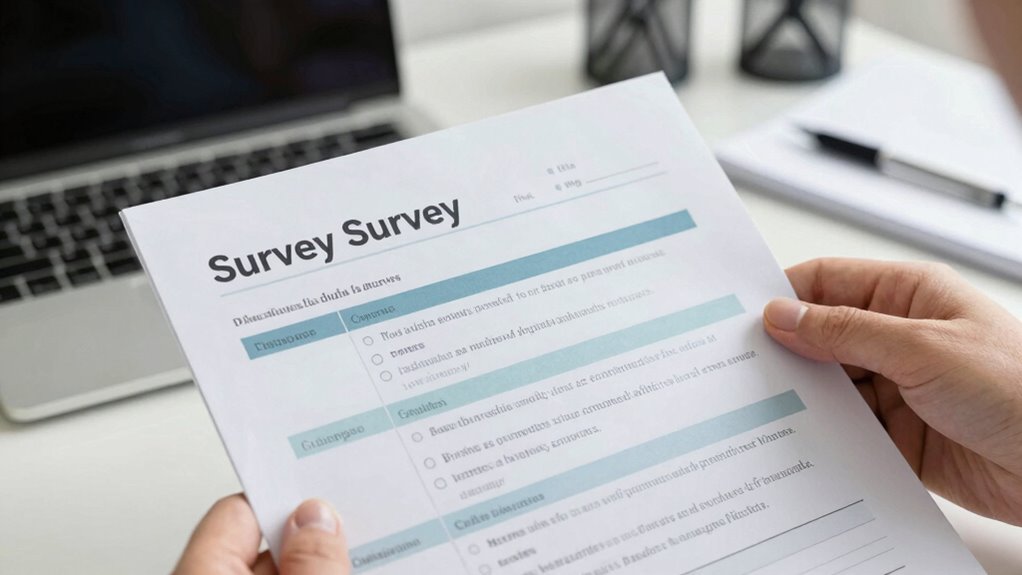
Survey wording plays a critical role in guaranteeing ethical research practices, as the language used can influence respondents’ answers and perceptions. When designing your survey, it’s necessary to craft questions that are clear, respectful, and culturally sensitive. If you’re not careful, poorly worded questions can lead to misunderstandings, bias responses, or even violate ethical standards. One key aspect is obtaining informed consent. Your questions should clearly explain the purpose of the survey, what participation involves, and how the data will be used. If respondents feel misled or are unsure about what they’re agreeing to, you risk breaching their autonomy and trust. Using straightforward language that avoids jargon and ambiguity helps guarantee respondents can make truly informed decisions about their participation.
Clear, respectful questions and informed consent are essential for ethical, trustworthy survey research.
Cultural sensitivity is equally crucial. Language that seems neutral or acceptable in one cultural context might be offensive or confusing in another. For example, certain terms or topics may carry different connotations or sensitivities depending on respondents’ cultural backgrounds. You need to tailor your wording to respect these differences, avoiding assumptions or stereotypes. This not only fosters trust but also improves the quality of the data collected. When questions are culturally insensitive, respondents might feel uncomfortable or reluctant to answer honestly, which compromises both ethical standards and data integrity. Additionally, understanding the horsepower of electric dirt bikes can inform how questions are framed when discussing performance or safety to ensure clarity and relevance. Recognizing cultural differences in language and context is essential for creating ethically sound and effective survey questions.
Another ethical concern involves the potential for leading or loaded questions. If your wording hints at a preferred response or subtly influences answers, you undermine the integrity of the data and violate ethical guidelines. It’s your responsibility to phrase questions neutrally, allowing respondents to express their genuine opinions without feeling pressured or guided. Additionally, consider the tone and framing of your questions. Respectful, non-judgmental language encourages honest participation and demonstrates your commitment to ethical research practices. Ensuring neutrality in question phrasing also involves understanding the role of bias and how it can distort results if overlooked. Being aware of the impact of social desirability bias can help you craft more balanced questions that gather authentic responses.
Finally, be aware that the way you phrase sensitive questions—such as those related to personal or stigmatized topics—can markedly impact respondents’ comfort levels. Framing these questions with care, offering options for anonymity, and providing context can help minimize discomfort and protect respondents’ well-being. It’s also beneficial to be aware of the privacy policies and how they influence respondent trust and willingness to participate. By paying close attention to survey wording, you uphold ethical standards, respect cultural differences, and ensure your research remains trustworthy and respectful. Ultimately, thoughtful, culturally sensitive, and transparent wording is essential for conducting ethical surveys that honor respondents’ rights and produce reliable data.
As an affiliate, we earn on qualifying purchases.
Frequently Asked Questions
How Can Ambiguous Wording Influence Survey Responses Ethically?
Ambiguous wording can influence your survey responses ethically by misrepresenting questions, which affects informed consent. If questions are unclear or culturally insensitive, respondents might provide inaccurate answers or feel uncomfortable, violating ethical standards. You need to guarantee your wording is transparent and culturally sensitive, so participants understand what they’re agreeing to. Clear, respectful language fosters trust and honesty, ultimately making your survey ethically sound and the data more reliable.
What Are Examples of Biased Survey Questions?
Biased survey questions often result from poor question framing, which can lead to response bias. For example, asking, “Don’t you agree that our product is the best?” suggests a positive answer, influencing responses. Similarly, using emotionally charged language or leading questions can skew results. These biases compromise data integrity, making it essential to craft neutral, clear questions that avoid framing that nudges respondents toward specific answers.
How Do Cultural Differences Affect Survey Wording Ethics?
Cultural differences are the ocean you must navigate carefully when crafting survey questions. Cultural sensitivity and language nuances act as your compass, guiding you to avoid misunderstandings or offense. Words that seem neutral in one culture might carry unintended connotations in another. You need to adapt your wording to respect diverse perspectives, ensuring your questions are inclusive, clear, and ethically sound, so respondents feel comfortable and willing to share honest answers.
Can Survey Wording Unintentionally Lead Respondents?
Yes, survey wording can unintentionally lead respondents by influencing their answers through question framing. Poorly worded questions might evoke response bias, where respondents answer in a way they think is expected rather than truthfully. You need to carefully craft your questions to avoid leading or confusing respondents, ensuring their answers genuinely reflect their opinions. Clear, neutral wording minimizes response bias and helps gather more accurate, ethical data.
What Role Does Transparency Play in Ethical Survey Design?
Transparency is essential in ethical survey design because it fosters informed consent and builds participant trust. When you clearly explain the purpose, procedures, and how data will be used, respondents understand what they’re agreeing to, reducing potential ethical issues. By being open and honest in your wording, you guarantee participants feel respected and confident in sharing truthful responses, ultimately enhancing the quality and integrity of your survey data.
As an affiliate, we earn on qualifying purchases.
Conclusion
As you craft your survey questions, remember they’re like keys opening doors to truth—or shadows. Words can gently guide respondents down honest paths or lead them astray into ethical quicksand. Be mindful, for your wording wields the power to illuminate integrity or cast doubt. When you choose your words with care, you’re not just asking questions—you’re building bridges of trust that invite genuine answers, ensuring your survey’s journey stays true and transparent.
culturally sensitive survey questions
As an affiliate, we earn on qualifying purchases.
As an affiliate, we earn on qualifying purchases.
neutral wording survey templates
As an affiliate, we earn on qualifying purchases.
As an affiliate, we earn on qualifying purchases.
Fall Picks
fall essentials
As an affiliate, we earn on qualifying purchases.