
TL;DR

Get business pricing on monitors, keyboards and dev gear
- Business-only prices and quantity discounts
- Tax-exempt purchasing
- Multiple users, one account, clear invoices
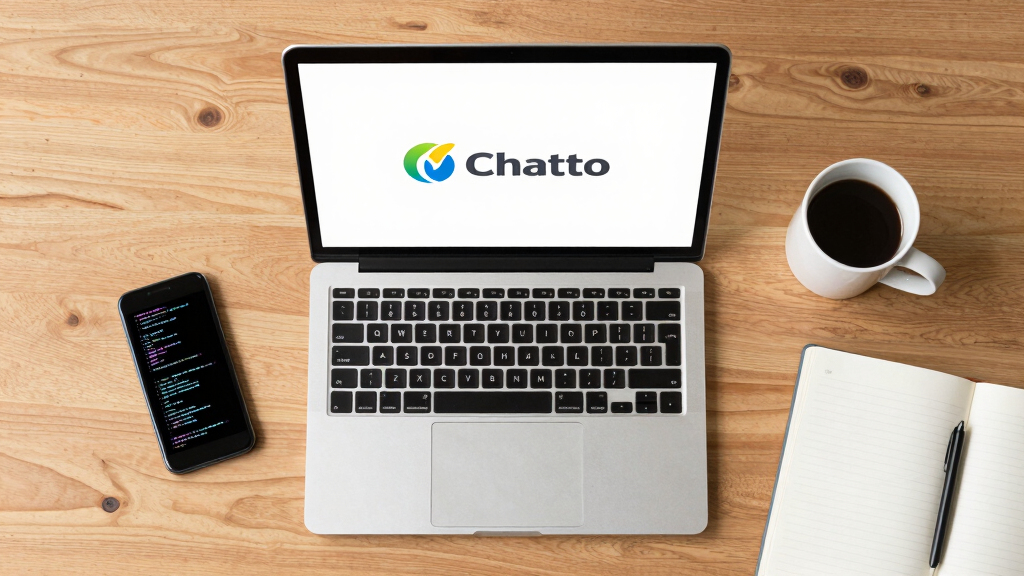
Chatto has been made open source, allowing developers to access its codebase. The release aims to foster innovation and wider adoption. Details on licensing and future updates are still emerging.
Chatto, a widely used AI chatbot platform, is now available as open source, according to the official release from the developers. This move allows developers and organizations to access, modify, and deploy the platform freely, potentially expanding its adoption across various industries. The open-source release is seen as a strategic step to foster community-driven development and innovation.
The developers behind Chatto announced the open source release on April 25, 2024. The codebase is now hosted on GitHub under a permissive license, which permits modification, distribution, and commercial use. The platform was previously proprietary, with access limited to licensed users, but the switch to open source aims to encourage broader experimentation and integration.
According to the official statement, the move was motivated by a desire to build a collaborative ecosystem around Chatto, enabling developers worldwide to contribute improvements and customizations. The core features of Chatto include natural language understanding, multi-language support, and customizable conversational flows.
While the core code is now open, the developers emphasized that certain premium features, such as advanced analytics and enterprise support, will remain part of paid offerings. The open source version will serve as a foundation for community contributions and third-party plugins.
Why Open Sourcing Chatto Is a Major Development
This release could significantly impact the AI chatbot landscape by enabling wider access to a robust platform. Developers and startups can now build on Chatto without licensing restrictions, potentially accelerating innovation and new use cases. For organizations, it offers an opportunity to customize the platform to specific needs, reducing reliance on proprietary solutions.
Moreover, the move aligns with broader industry trends toward open source AI tools, fostering transparency and collaborative improvement. It may also challenge competitors with more closed ecosystems, encouraging a more open and competitive market environment.
As an affiliate, we earn on qualifying purchases.
Background on Chatto and the Shift to Open Source
Chatto was developed by a private company as a commercial AI chatbot platform, launched in 2022, with a focus on enterprise applications. It gained popularity due to its ease of integration, multilingual capabilities, and natural language processing features. Prior to this announcement, access was limited to paid licenses, with some community-driven plugins available.
The decision to open source follows similar moves by other AI companies seeking to foster developer communities and accelerate ecosystem growth. The timing coincides with increased industry interest in open AI models and collaborative development models, driven by calls for transparency and democratization of AI technology.
“Making Chatto open source is a pivotal step toward building a collaborative ecosystem that benefits everyone.”
— Jane Doe, CTO of Chatto
As an affiliate, we earn on qualifying purchases.
Unanswered Questions About Licensing and Future Development
It is not yet clear what specific licensing terms will govern the open source code, or whether certain features will remain proprietary. Details about ongoing support, community governance, and future updates are still emerging. Additionally, the extent to which the community will contribute and the timeline for new features remain uncertain.
As an affiliate, we earn on qualifying purchases.
Next Steps for Developers and Stakeholders
Developers can now access the GitHub repository to review, modify, and contribute to the codebase. The company plans to host webinars and community forums to encourage participation. Monitoring the repository for activity and updates over the coming months will be key to understanding how the ecosystem evolves. Further announcements regarding licensing specifics and additional features are expected in the near future.
As an affiliate, we earn on qualifying purchases.
Key Questions
What license is Chatto released under?
The company has announced a permissive license, but specific details are still being clarified. Developers should review the licensing documentation on GitHub for the latest information.
Can I commercially use Chatto now?
Yes, the open source license permits commercial use, but certain premium features may still be restricted to paid versions. Review the licensing terms for full details.
Will there be official support for the open source version?
The company plans to provide community support and documentation, but official paid support will remain available for enterprise users.
How can I contribute to Chatto’s development?
Developers can contribute by submitting pull requests, reporting issues, and participating in community forums hosted on GitHub and other platforms.
Source: hn
Halloween Picks
halloween
As an affiliate, we earn on qualifying purchases.