
TL;DR

Get business pricing on monitors, keyboards and dev gear
- Business-only prices and quantity discounts
- Tax-exempt purchasing
- Multiple users, one account, clear invoices
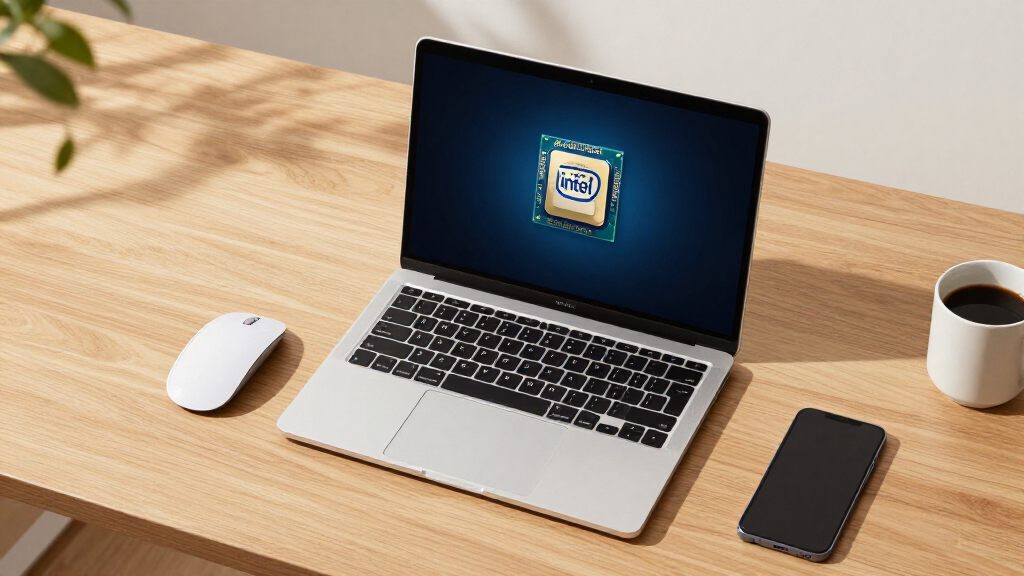
Intel has announced a new chip architecture that they say achieves higher performance per Watt than ARM-based processors. This marks a potential shift in the competitive landscape of energy-efficient computing, but details remain preliminary.
Intel has announced a new processor architecture that the company claims achieves higher performance per Watt than ARM-based processors. This development could significantly alter the competitive landscape for energy-efficient computing, especially in mobile and embedded markets.
According to Intel, their latest chip design, codenamed ‘Meteor Lake,’ demonstrates a notable improvement in power efficiency during internal testing. The company states that in specific benchmarks, their processors deliver superior performance per Watt compared to leading ARM chips used in smartphones, tablets, and some laptops.
Intel’s spokespersons emphasized that these results are preliminary but suggest a potential shift in the ongoing competition between x86 and ARM architectures for energy-efficient applications. The company did not disclose detailed benchmark data or specific performance metrics at this stage, citing ongoing testing and validation.
Implications of Intel’s Power Efficiency Leap
This announcement matters because performance per Watt is a critical metric for mobile devices, data centers, and edge computing. If Intel can reliably outperform ARM in this area, it could challenge ARM’s current market dominance in energy-efficient processors, potentially leading to shifts in supply chains, device design, and industry standards.
Such a breakthrough might also influence future product development, prompting ARM licensees and competitors to accelerate their own innovations in power efficiency. For consumers and enterprise users, this could translate into longer battery life, lower energy costs, and more versatile device options.
As an affiliate, we earn on qualifying purchases.
Background of Power Efficiency Competition
For years, ARM processors have led in energy efficiency, powering most smartphones, tablets, and many laptops due to their low power consumption. Meanwhile, Intel’s x86 processors have traditionally excelled in raw performance, especially in desktops and servers, but have lagged behind ARM in power efficiency.
Recent developments include ARM’s introduction of new designs, such as ARM Cortex-X and Cortex-A series, targeting higher performance with improved power profiles. Conversely, Intel has been investing heavily in process node advancements and architectural innovations to close this gap.
The industry has watched closely as ARM expands into data centers and laptops, while Intel seeks to regain ground through new architectures and process technology.
“Our latest ‘Meteor Lake’ processors demonstrate a significant step forward in power efficiency, surpassing current ARM-based solutions in key benchmarks.”
— Intel spokesperson
As an affiliate, we earn on qualifying purchases.
Unconfirmed Aspects of Intel’s Performance Claims
While Intel reports promising results, full benchmark data, independent validation, and real-world testing are still pending. It is not yet clear whether these efficiency gains will be consistent across different workloads or in mass-produced chips. Industry experts caution that early claims often require verification before they can be considered definitive.
As an affiliate, we earn on qualifying purchases.
Next Steps for Validation and Market Impact
Intel plans to release more detailed specifications and independent third-party benchmark results in the coming months. The industry will closely monitor these developments to assess whether Intel’s architecture can sustain its performance per Watt advantage in diverse applications. Market adoption and OEM support will be key indicators of the real-world impact of this breakthrough.
As an affiliate, we earn on qualifying purchases.
Key Questions
What exactly does performance per Watt mean?
Performance per Watt measures how much computing work a processor can do for each unit of power it consumes. Higher performance per Watt indicates better energy efficiency, which is crucial for battery-powered and energy-conscious devices.
How significant is Intel’s claim compared to current ARM processors?
Intel claims their new architecture achieves higher performance per Watt than existing ARM chips based on initial benchmarks. However, independent validation and real-world testing are needed to confirm the significance of this advantage.
Could this shift impact the smartphone and laptop markets?
Yes. If Intel’s efficiency gains are confirmed, it could lead to more powerful, longer-lasting laptops and mobile devices, potentially challenging ARM’s current market leadership in energy-efficient devices.
When will we see products based on this new architecture?
Intel has indicated that mass production and product integration are still in development, with broader availability expected within the next 12-18 months.
What are the risks or downsides of Intel’s new design?
Potential risks include manufacturing challenges, unanticipated technical issues, or the architecture not delivering consistent performance gains across all workloads. These factors remain to be seen as testing progresses.
Source: hn
Fall Picks
fall essentials
As an affiliate, we earn on qualifying purchases.