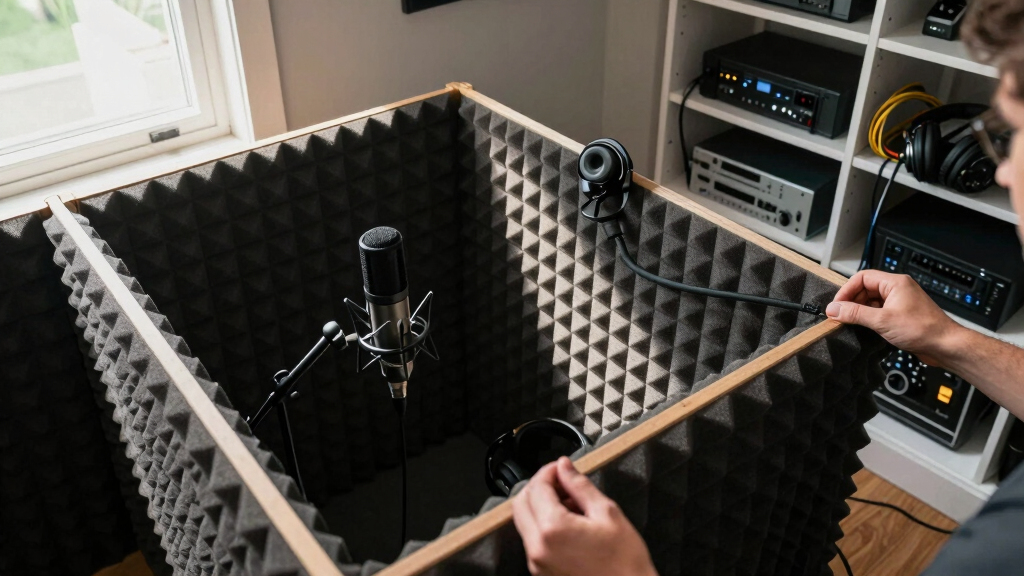

📊 Full opportunity report: Acoustic Dampening, Placement, and the “Rig in the Closet” Setup on ThorstenMeyerAI.com — validation score, market gap, and execution plan.
TL;DR
Moving your rig into a closet significantly reduces noise and reflections, especially with proper placement and sealing. Combining dampening materials with ventilation creates a quiet, effective workspace. This guide explains best practices and what remains uncertain.
Moving a high-performance rig into a closet or small room is the most effective way to reduce noise and unwanted reflections, according to industry experts. Proper placement, sealing gaps, and using absorption materials create a controlled sound environment, making it ideal for recording, AI work, or gaming setups that generate significant noise. For more detailed guidance, see Acoustic Dampening, Placement, and the “Rig in the Closet” Setup.
Experts emphasize that relocating a rig into a closet drastically cuts noise levels and reflections, often more effectively than foam treatments alone. Strategic placement of acoustic panels at reflection points—behind the microphone, side walls, and ceiling—helps shape the room’s acoustic profile. Sealing gaps around the door and walls with weatherstripping or blankets enhances sound isolation, preventing leaks and echo.
Heat buildup is a critical concern when placing high-power equipment in enclosed spaces. To prevent overheating, ventilation solutions such as exhaust fans, passive vents, or ducted airflow are recommended. Using a combination of thick blankets, foam panels, and bass traps can improve sound quality while maintaining a manageable temperature. Proper airflow planning ensures equipment remains cool without introducing additional noise.
Acoustic dampening
& the rig in the closet.
The most powerful noise fix isn’t a material — it’s a floor plan. A rig you can’t hear because it’s in another room beats any amount of foam. Tap the approaches in Part 1 to see what actually works.
(another room)
(levers 1–4)
(door / barrier)
(acoustic foam)
Contain the noise, not the heat
Why Proper Closet Setup Is Essential for Noise Control
This approach matters because it provides a practical, accessible way for hobbyists and professionals to create quiet, high-quality workspaces without expensive soundproofing. Effective placement and sealing improve audio clarity for recordings or AI processing, while proper heat management ensures hardware longevity. Understanding these tactics can save time and money while achieving better sound and performance.
soundproof acoustic panels for small rooms
As an affiliate, we earn on qualifying purchases.
As an affiliate, we earn on qualifying purchases.
Background on Acoustic Treatment and Closet Setups
Many users have struggled with noisy rigs in small spaces, often resorting to foam panels or blankets. While dampening reduces echoes and harsh reflections, it does not block sound leaks; sealing gaps is equally important. Industry advice increasingly supports relocating equipment into closets or separate rooms as the most effective noise reduction method, especially when combined with strategic acoustic treatment and ventilation solutions. Prior to this, most guidance focused on soundproofing or basic dampening, but recent developments highlight the importance of placement and heat management in small, enclosed environments.
"Relocating your rig into a closet or separate room is often the most effective way to cut noise, especially when combined with proper placement and sealing."
— Industry Expert
quiet ventilation fan for computer closet setup
As an affiliate, we earn on qualifying purchases.
As an affiliate, we earn on qualifying purchases.
Remaining Questions About Closet Rig Setups
While best practices for placement, sealing, and ventilation are outlined, specific optimal configurations vary depending on room size, equipment, and use case. The long-term effects of certain materials on hardware temperature and sound quality are still being studied, and some DIY solutions may not be suitable for all setups. Further research is needed to determine standardized guidelines for different environments.
soundproof door seals for recording studio
As an affiliate, we earn on qualifying purchases.
As an affiliate, we earn on qualifying purchases.
Next Steps in Optimizing Closet-Based Rigs
Future developments may include the creation of specialized closet or cabinet enclosures with integrated soundproofing and cooling solutions. Users are encouraged to experiment with different materials and ventilation setups to find the best balance for their specific needs. Industry experts will likely release more detailed guidelines as more users share their experiences and data.
high airflow exhaust fan for server closet
As an affiliate, we earn on qualifying purchases.
As an affiliate, we earn on qualifying purchases.
Key Questions
Can I completely soundproof my closet rig?
Complete soundproofing is difficult and expensive; most setups focus on reducing noise and reflections rather than total isolation. Sealing gaps and adding damping materials significantly improve sound control.
What materials are best for acoustic dampening in a closet?
Thick foam panels, moving blankets, rugs, and bass traps are effective. Covering about 20-30% of the walls with absorption materials and sealing gaps offers good results.
How do I prevent my hardware from overheating in a closet?
Use ventilation solutions like exhaust fans, ducted airflow, and passive vents. Planning airflow with intake and exhaust fans helps maintain safe temperatures during intensive use.
Is sealing gaps enough to prevent noise leaks?
Sealing gaps greatly reduces noise leakage, but combining this with strategic placement of absorption materials yields the best results. Over-sealing without dampening can deaden the room unnaturally.
Source: ThorstenMeyerAI.com