
TL;DR
Valve reportedly considered creating a barebones Steam Machine but did not proceed with its release. This missed opportunity raises questions about hardware strategy and market impact.
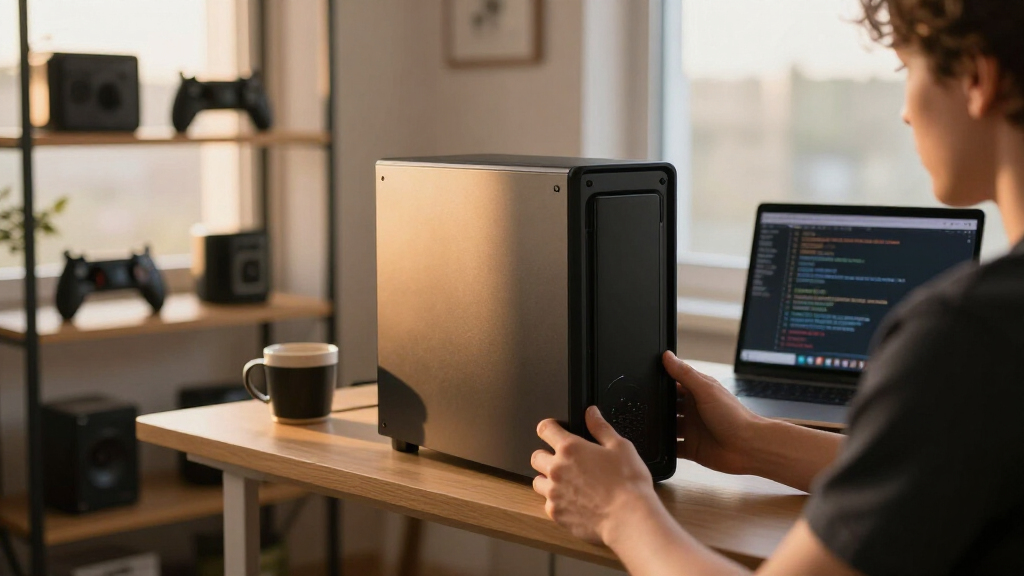
Valve considered developing a barebones Steam Machine but ultimately did not release one, according to recent industry insights. This decision, which has not been officially confirmed by Valve, raises questions about the company’s hardware strategy and market approach. The development is notable because a barebones Steam Machine could have offered a flexible, customizable gaming PC option for consumers.

Get business pricing on monitors, keyboards and dev gear
- Business-only prices and quantity discounts
- Tax-exempt purchasing
- Multiple users, one account, clear invoices
Recent industry reports indicate that Valve explored the possibility of launching a barebones Steam Machine, a simplified, modular gaming PC designed for easy customization and upgrade. However, Valve did not move forward with the product, and no such device has ever been officially announced or released. The decision appears to be based on internal assessments of market demand, production costs, and competitive landscape.
Sources close to the matter suggest that Valve’s focus has shifted toward software and platform services, such as SteamOS and Steam Deck, rather than expanding into new hardware categories. It is not clear whether the company abandoned the project early or if it was shelved after initial development stages. Valve has not publicly commented on this specific hardware concept.
Potential Impact on Gaming Hardware Ecosystem
The absence of a barebones Steam Machine leaves a gap in Valve’s hardware lineup, which could have provided a more accessible entry point for PC gaming enthusiasts seeking a customizable, prebuilt system. This missed opportunity might have influenced the competitive dynamics among gaming hardware manufacturers, especially in the affordable, modular segment. For consumers, it raises questions about Valve’s long-term hardware ambitions and whether the company will revisit such concepts in the future.
Popular right now

Breville Barista Express Espresso Machine with Built-In Grinder, Black Sesame

Breville Bambino Espresso Machine, Brushed Stainless Steel (BES450BSS)

Samsung 48-Inch S90F OLED 4K Smart TV (2025)
As an affiliate, we earn on qualifying purchases.
Valve’s Hardware Strategy and Past Initiatives
Valve has historically experimented with gaming hardware, notably with the Steam Machine launched in 2015, which failed to gain significant market traction. The Steam Machine was a line of prebuilt gaming PCs running SteamOS, but limited availability and high prices hindered its success. The company later shifted focus toward the Steam Deck, a handheld PC gaming device launched in 2022, which has received positive reviews.
The idea of a barebones, modular PC aligns with current trends toward customization and affordability in gaming hardware, but Valve’s decision not to pursue it leaves open questions about their hardware roadmap and market positioning.
Unconfirmed Reasons Behind Valve’s Decision
It is not yet clear why Valve chose not to proceed with the barebones Steam Machine. The company has not issued official statements explaining their decision, and internal factors such as market analysis, production costs, or strategic shifts remain speculative. Further details may emerge if Valve discusses their hardware roadmap in the future.
Future Hardware Developments and Market Strategies
Valve may revisit the concept of modular or simplified gaming hardware as market trends evolve. Watching for any official announcements regarding new hardware initiatives or updates on their existing product lines, such as Steam Deck or upcoming prototypes, will be key. Industry analysts will also monitor whether Valve’s hardware focus shifts back to modular systems or other innovative designs.
Key Questions
Why did Valve consider a barebones Steam Machine?
According to industry reports, Valve saw potential in offering a customizable, affordable PC gaming option that could appeal to a broader audience, but ultimately decided against proceeding with the product.
Could Valve still release a modular gaming PC in the future?
While there are no official plans announced, Valve’s ongoing hardware efforts and market trends suggest they could revisit modular or simplified PC concepts in the future.
How does this affect Valve’s overall hardware strategy?
The decision not to pursue a barebones Steam Machine indicates a possible shift in focus toward software, handheld consoles like the Steam Deck, or other hardware innovations.
What does this mean for consumers interested in modular gaming PCs?
For now, Valve does not offer a modular gaming PC, but the concept remains relevant in the industry, and other manufacturers may fill this niche.
Will Valve revisit the idea of a barebones Steam Machine?
There is no official indication, but future hardware developments could see Valve exploring similar concepts if market conditions favor it.
Source: IdeaNavigator AI