
TL;DR

Get business pricing on monitors, keyboards and dev gear
- Business-only prices and quantity discounts
- Tax-exempt purchasing
- Multiple users, one account, clear invoices
Meta is repurposing older RAM modules in its latest servers, integrating a custom bridge chip to maintain performance. This approach aims to reduce costs and hardware waste, signaling a shift in data center hardware strategies.
Meta is reusing older RAM modules in its new data center servers, employing a custom bridge chip to ensure compatibility and performance. This move aims to cut costs and reduce electronic waste, marking a notable shift in hardware management for large-scale cloud providers.
Meta has confirmed that its latest server models incorporate recycled RAM modules from previous hardware generations. To facilitate this, the company developed a custom bridge chip designed to interface with older memory modules, ensuring they meet current performance standards.
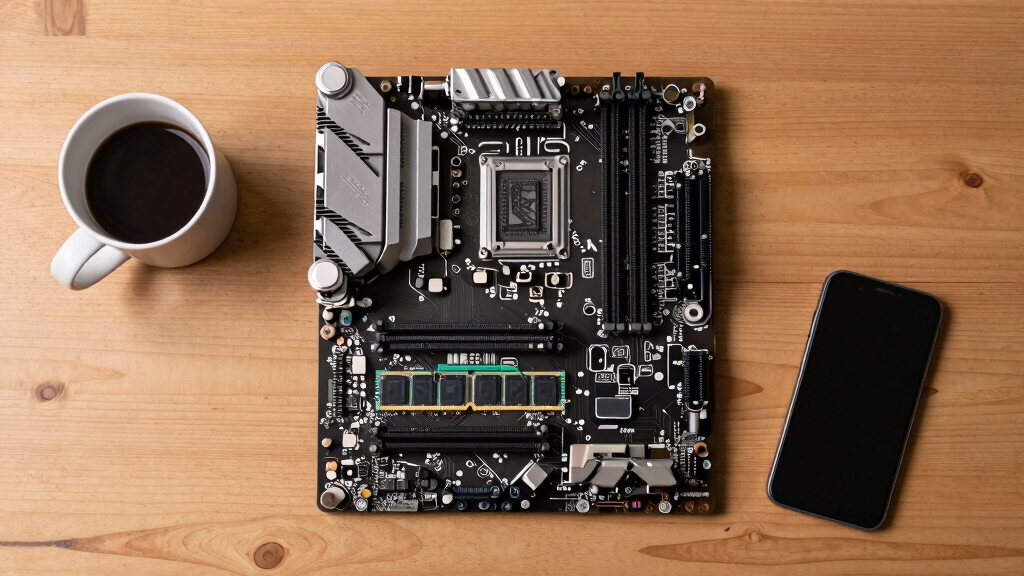
The custom bridge chip acts as an intermediary, translating signals between the server’s mainboard and the reused RAM. According to Meta, this approach allows the hardware to function reliably without requiring new memory components, potentially lowering procurement costs and reducing electronic waste.
Meta’s initiative reflects broader industry interest in sustainable hardware practices, especially among large cloud providers seeking to optimize infrastructure costs. The company has not disclosed specific technical details about the bridge chip or the extent of reused RAM in its servers but emphasized that performance and reliability are maintained.
Implications of Hardware Reuse in Data Centers
This development highlights a potential shift toward more sustainable and cost-effective hardware management in large-scale data centers. By reusing older RAM modules, Meta could reduce capital expenditure and electronic waste, setting a precedent for other cloud providers. It also raises questions about the longevity and upgrade cycles of server components, as well as the technical challenges involved in ensuring compatibility and performance.
As an affiliate, we earn on qualifying purchases.
Meta’s Hardware Strategy and Industry Trends
Meta has historically invested heavily in custom hardware to optimize data center efficiency. The company’s recent move to reuse RAM modules aligns with broader industry trends toward sustainability and cost reduction. While some industry players have experimented with recycled components, Meta’s approach of integrating a custom bridge chip is a novel solution aimed at overcoming compatibility issues associated with older memory modules.
This strategy may influence hardware procurement practices across the cloud industry, especially as environmental concerns and cost pressures increase. However, details about the longevity and performance trade-offs of such reused components remain under discussion.
“Reusing existing RAM modules with our custom bridge chip allows us to optimize costs and reduce electronic waste without compromising performance or reliability.”
— Meta spokesperson
custom bridge chip for server memory
As an affiliate, we earn on qualifying purchases.
As an affiliate, we earn on qualifying purchases.
Technical Details and Long-Term Reliability Still Unclear
It is not yet clear how widespread this practice will become within Meta’s infrastructure or how it compares in long-term reliability to new memory modules. The specific technical specifications of the custom bridge chip and its performance under different workloads remain undisclosed. Industry experts also question whether this approach can be scaled across different server models and environments.
As an affiliate, we earn on qualifying purchases.
Monitoring Performance and Industry Adoption
Meta is expected to continue deploying servers with reused RAM and the custom bridge chip, with further disclosures on technical performance and reliability anticipated in upcoming reports. Other cloud providers may explore similar strategies if Meta’s approach proves successful, potentially influencing future hardware procurement and sustainability policies.
compatible RAM modules for data centers
As an affiliate, we earn on qualifying purchases.
As an affiliate, we earn on qualifying purchases.
Key Questions
Why is Meta reusing old RAM modules in new servers?
Meta aims to reduce costs and electronic waste by reusing existing RAM modules, facilitated by a custom bridge chip to ensure compatibility and performance.
What is the role of the custom bridge chip?
The custom bridge chip acts as an intermediary, translating signals between the server’s mainboard and older RAM modules to maintain performance and reliability.
Are there any risks associated with reusing RAM modules?
While details are limited, industry experts question the long-term reliability and performance stability of reused RAM, especially under demanding workloads.
Could this approach be adopted by other companies?
Potentially, if Meta’s strategy proves cost-effective and reliable, other cloud providers might explore similar reuse practices to enhance sustainability and reduce expenses.
What are the environmental benefits of this approach?
Reusing RAM modules reduces electronic waste and minimizes the environmental impact of manufacturing new hardware components.
Source: hn
Columbus Day / Indigenous Peoples' Day Picks
long weekend sales
As an affiliate, we earn on qualifying purchases.