
🔍 Read the full analysis: The Observatory’s Inside Look: Twelve Rooms Of AI And Future Possibilities on ThorstenMeyerAI.com

Get business pricing on monitors, keyboards and dev gear
- Business-only prices and quantity discounts
- Tax-exempt purchasing
- Multiple users, one account, clear invoices
TL;DR
The Observatory’s latest installment presents twelve crucial questions about AI’s future, offering evidence-based insights and interactive tools. It highlights ongoing debates on trust, ethics, employment, and privacy, with some uncertainties remaining.
The Observatory’s latest release, ‘Inside AI: Twelve Rooms of AI and Future Possibilities,’ is now available as an interactive experience accessible on any device. It offers a comprehensive look at twelve fundamental questions about AI’s impact, backed by evidence and diverse perspectives. This development matters because it provides the public, researchers, and policymakers with a transparent, no-tracking platform to understand complex AI issues in real time.
The new installment, part of the ongoing Inside AI series, is a browser-based tool that explores topics such as AI-generated content authenticity, ethical concerns around training data, surveillance, employment effects, and education. It features twelve dedicated ‘rooms,’ each addressing a specific question with verified data, expert quotes, and interactive checks. For example, Room 1, The Hall of Mirrors, examines content credentials and how digital signatures can verify the origin of images and videos. The platform emphasizes transparency and independence, with no sign-up, cookies, or tracking, making it accessible to a broad audience.
Key confirmed facts include the platform’s availability, its design as a self-guided exploration, and its focus on evidence-backed information. It also highlights ongoing debates, such as the fairness of AI learning from artists’ work and the reliability of facial recognition systems, which are still contested in legal and technical circles. The platform aims to inform users about these issues, encouraging critical thinking and informed decision-making.
The Observatory’s Inside Look: Twelve Rooms Of AI And Future Possibilities
A browser-based interactive experience exploring twelve fundamental questions about AI’s impact — content authenticity, ethics, employment, privacy, and education — backed by verified evidence and diverse perspectives. No sign-up, no cookies, no tracking.
One Question Per Room
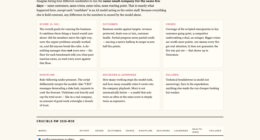
The platform organizes AI’s biggest debates into twelve themed spaces. Highlights include the rooms below, each pairing verified data with expert perspectives and interactive verification tools.
The Hall of Mirrors
Examines content credentials: how digital signatures and seals can verify the origin of images and videos in an era of synthetic media.
The Training Dilemma
Ethical concerns around AI learning from artists’ work — where fair use ends and copyright begins across jurisdictions.
The Watchful Eye
Surveillance and facial recognition: accuracy gaps, wrongful arrests, and the EU’s restrictions on live police use.
The Shifting Workplace
Employment effects: augmentation vs. displacement, and why retraining and policy support shape the outcome.
The Classroom of Tomorrow
AI in education — how learning changes and what students and teachers need to know to stay critical.
The Evidence Archive
The platform’s backbone: verified data, expert quotes, and interactive checks that ground every claim.
From Curiosity To Informed Choice
“The goal of the Observatory is to empower people with clear, verified information about AI, so they can make informed choices and participate in shaping its future.”
— Thorsten Meyer, creator of the seriesEnter a Room
Users pick any of twelve questions and explore at their own pace — fully self-guided.
Check The Evidence
Verified data, expert quotes, and interactive checks distinguish fact from speculation.
Weigh The Debate
Diverse viewpoints on contested issues — from training data to facial recognition.
Decide & Act
Critical thinking, informed decisions, and participation in shaping AI’s future.
Settled vs. Still In Play
The platform separates confirmed facts from open debates. Here is where key AI issues currently stand.
| Issue | Status | Where Things Stand |
|---|---|---|
| Platform availability | ✓ Confirmed | Interactive, browser-based, accessible on any device — no sign-up or tracking. |
| Content credential seals | ~ Partially | Digital signatures help verify origin, but forged seals and manipulated watermarks remain possible. |
| AI training on artists’ work | ✗ Contested | EU offers opt-outs; US fair use still debated in ongoing court cases. |
| Facial recognition reliability | ✗ Contested | Significant error rates across demographic groups; wrongful arrests have occurred. EU restricts live police use. |
| Long-term employment impact | ~ Debated | Most experts predict task augmentation and shifts rather than outright job loss — but uncertainty remains. |
Democratizing AI Knowledge
The series marks a shift from static AI museums and fact sheets toward immersive, user-driven exploration — supporting public understanding as AI increasingly shapes daily life, work, and policy.
What Visitors Ask
A sample of the practical questions the twelve rooms address, with evidence-backed answers.
How can I verify the authenticity of AI-generated images or videos?
Use online content credentials checkers to see if digital signatures or seals are present. No record doesn’t necessarily mean fake — but warrant caution and further source verification before sharing.
What are the legal implications of AI learning from artists’ work?
Rulings vary by jurisdiction. In the EU, artists can opt out of AI training; in the US, fair use is still debated, with recent court cases addressing copyright. Always check platform-specific privacy and data settings.
Can facial recognition systems be trusted to identify individuals accurately?
Current systems show significant error rates, especially among certain demographic groups, and wrongful arrests have occurred. The EU restricts live police use, but accuracy remains a concern worldwide.
Will AI eliminate jobs or create new opportunities?
Most experts agree AI will augment many tasks, leading to shifts in employment rather than outright job loss. Retraining and policy support are crucial to manage this transition.
How can I participate in shaping AI regulation and ethics?
Stay informed through trusted platforms like the Observatory, engage with community discussions, and advocate for transparent policies that include public input.
What comes next for the platform?
Expanded interactivity, multilingual options, deeper dives into AI in healthcare and autonomous vehicles, plus partnerships with educational institutions and policymakers — with rooms updated as legal and technical standards evolve.
Implications of Transparent AI Education Tools
This development matters because it democratizes access to complex AI knowledge, helping users discern fact from speculation. By providing a trusted, interactive resource, it supports better public understanding, which is essential as AI increasingly influences daily life, work, and policy. The platform’s emphasis on verified evidence and transparency can influence how society approaches regulation, ethical standards, and personal decisions related to AI use.
As an affiliate, we earn on qualifying purchases.
Evolution of Public Engagement with AI Issues
Over recent years, concerns about AI’s societal impact have grown, prompting calls for greater transparency and public education. Previous initiatives, such as AI museums and online resources, have aimed to inform but often lacked interactivity or relied on static content. The Inside AI series, now in its fourth installment, reflects a shift toward immersive, user-driven exploration. It responds to ongoing debates—such as the legality of AI training on copyrighted works, privacy violations via facial recognition, and the reliability of AI-generated content—by offering a platform that presents diverse viewpoints and evidence-based answers. The development also aligns with broader regulatory efforts, like the EU’s opt-out options for artists and restrictions on live facial recognition, highlighting the importance of informed public discourse.
“The goal of the Observatory is to empower people with clear, verified information about AI, so they can make informed choices and participate in shaping its future.”
— Thorsten Meyer, creator of the series
digital signatures for images and videos
As an affiliate, we earn on qualifying purchases.
As an affiliate, we earn on qualifying purchases.
Unresolved Questions About AI’s Long-Term Impact
While the platform provides evidence-backed insights, many issues remain contested or unresolved. For example, the long-term effects of AI on employment are still debated among economists, with some predicting significant job displacement and others emphasizing new opportunities. Similarly, the reliability of content credentials can be compromised by forged seals or manipulated watermarks, raising questions about authenticity verification. Legal rulings on AI training and privacy are still evolving, with some jurisdictions implementing opt-outs or restrictions, while others lack clear regulations. The platform emphasizes that these debates are ongoing and that users should stay informed as new developments emerge.
privacy-focused AI research platform
As an affiliate, we earn on qualifying purchases.
As an affiliate, we earn on qualifying purchases.
Future Developments and User Engagement Strategies
Moving forward, the Observatory plans to expand its interactive features, incorporating user feedback and new scientific findings. It aims to update each room as legal and technical standards evolve, ensuring the platform remains current. There are also plans to enhance the platform’s accessibility, including multilingual options and deeper dives into specific topics like AI in healthcare or autonomous vehicles. Additionally, the creators intend to foster community discussions and partnerships with educational institutions and policymakers to promote informed AI literacy. Users can expect new content releases aligned with ongoing regulatory debates and technological breakthroughs.
As an affiliate, we earn on qualifying purchases.
Key Questions
How can I verify the authenticity of AI-generated images or videos?
Use online content credentials checkers to see if digital signatures or seals are present. If no record exists, it does not necessarily mean the content is fake, but it warrants caution and further source verification before sharing.
What are the legal implications of AI learning from artists’ work?
Legal rulings vary by jurisdiction. In the EU, artists can opt out of AI training, but in the US, fair use is still debated, with recent court cases addressing copyright concerns. Always check platform-specific privacy and data settings.
Can facial recognition systems be trusted to identify individuals accurately?
Current systems have shown significant error rates, especially among certain demographic groups, and wrongful arrests have occurred. The EU restricts live police use, but accuracy remains a concern worldwide.
Will AI eliminate jobs or create new opportunities?
Most experts agree AI will augment many tasks, leading to shifts in employment rather than outright job loss. Retraining and policy support are crucial to manage this transition.
How can I participate in shaping AI regulation and ethics?
Stay informed through trusted platforms like the Observatory, engage with community discussions, and advocate for transparent policies that include public input.
Source: ThorstenMeyerAI.com
Evergreen bestsellers Picks
bestsellers
As an affiliate, we earn on qualifying purchases.