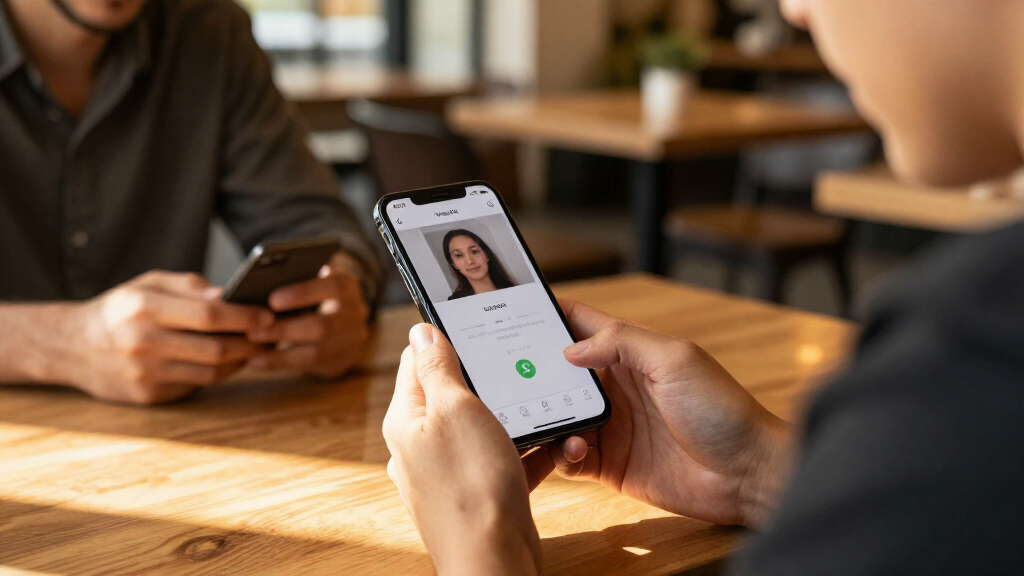

🔍 Read the full analysis: Could Instagram’s AI Mistake An Adult For A Teen—or The Other Way Around? on ThorstenMeyerAI.com

Get business pricing on monitors, keyboards and dev gear
- Business-only prices and quantity discounts
- Tax-exempt purchasing
- Multiple users, one account, clear invoices
TL;DR
Meta said on November 9, 2026, that Instagram is expanding AI age estimation globally to identify suspected 13- to 17-year-olds who list an adult birthday and place them in Teen Accounts. The company has not disclosed how often the system misclassifies adults or teens, or detailed an appeal process for this rollout.
Meta said on November 9, 2026, that Instagram is expanding its AI age-estimation technology worldwide, using it to identify suspected users ages 13 to 17 who list an adult birthday and place them in Teen Account protections. Meta says the expansion is expected to cover “millions more teens,” but it has not published how often the system gets a user’s age wrong.
Meta describes the system as a way to find suspected teens who may have entered an adult birth date. Teen Accounts automatically limit who can contact users, the content they see and the time they spend on Meta apps, according to the company. Meta says users under 16 need a parent or guardian’s approval to change those settings.
Meta has described several signals its technology may use. In a May 2026 post, it said AI analyzes profile context, including birthday celebrations and references to school grades in posts, comments, bios and captions. The company has also described visual analysis of photos and videos, while saying that feature is available only in select countries. Meta says this is not facial recognition and that its AI does not use biometric data or create facial fingerprints.
The announcement also covers related changes: Meta says it is using Apple’s age-range signal in Australia, and that the technology is rolling out on Facebook. The company said similar technology would begin launching globally on Threads later in 2026. In the United States, Meta said it would show parents an Instagram video this month explaining its approach and how to help check that a teen’s age is accurate.
Could Instagram’s AI Mistake an Adult for a Teen —or the Other Way Around?
Meta is expanding AI age estimation worldwide to place suspected teens with adult birthdays into Teen Account protections. How often the system gets ages wrong—and how users can appeal—remains unclear.
What changes for users
The system can affect people whose listed birthday says they are adults.
- Suspected teens who enter an adult birthday may still receive Teen Account protections.
- Those protections limit who can contact users, the content they see and time spent on Meta apps.
- An adult could be placed in Teen Account protections by mistake.
- Meta has not published an error rate or clarified the appeal route for this rollout.
Signals Meta describes
Meta says its technology looks for age clues in account content, but has not explained which signals apply to each user.
Posts and bios
Meta has cited birthday celebrations and references to school grades in posts, comments, bios and captions.
Photos and videos
Meta has described visual analysis, available only in select countries, and says it is not facial recognition or biometric profiling.
A mistaken classification may be hard to fix
Meta has previously said users can correct mistakes, but the process for people affected by this expansion is not clear.
Instagram identifies a suspected 13- to 17-year-old who lists an adult birthday.
The account may receive stricter contact and content settings.
Earlier guidance describes ID or Yoti age estimation for some birthday changes, but Meta has not said whether this applies to everyone affected.
Where the rollout is reaching
Meta says the Instagram expansion is underway worldwide, alongside changes on other apps.
| Service or audience | What Meta says |
|---|---|
| AI age estimation is expanding globally to identify suspected teens with adult birthdays. | |
| The technology is also rolling out. | |
| Threads | Similar technology is expected to begin launching globally later in 2026. |
| Under-13 accounts | Handled separately; suspected accounts may be deactivated unless the holder proves their age. |
Who Gets Teen Account Protections
The rollout makes Instagram’s age assessment consequential for people who have not said they are under 18. A suspected teen may receive stricter contact and content settings even if their birthday indicates they are an adult. That could extend protections to young people who otherwise bypass them, but it also means an automated system can affect adults’ experience of the service.
Meta has not given an error rate, the number of adults likely to be misclassified, or a breakdown of outcomes from its earlier country-level deployments. Those figures would help users and parents judge how often the system’s safeguards work as intended and how often people may face restrictions by mistake. The company’s descriptions of its inputs offer some explanation, but not enough detail to independently assess accuracy.
There is also a potential burden for users seeking to correct a mistaken classification. Meta has previously said people can change settings if it makes a mistake. But its May 2026 guidance says someone attempting to change a birthday from under 18 to over 18 must verify their age using an ID or Yoti’s facial age-estimation tools. Meta has not explained whether that procedure applies to every person moved into Teen Account protections under the new global rollout.
Popular right now

Vitamix VX1 Professional-Grade Blender, 64 oz, Black

Apple AirPods Pro 3 Wireless Earbuds with Active Noise Cancellation

Breville Bambino Espresso Machine, Brushed Stainless Steel
As an affiliate, we earn on qualifying purchases.
From Earlier Tests to Global Use
Meta first described testing this age-estimation approach in the United States in April 2025. Its November announcement moves the Instagram Teen Account placement beyond the set of countries where it had previously been used. Meta says it is “encouraged by the results,” but has not released the underlying accuracy figures in the source material.
The new rollout concerns suspected teens ages 13 to 17, not the separate process for children under 13, who are not allowed to have Instagram accounts. Meta says accounts it believes belong to under-13s may be deactivated unless the account holder proves their age. The two processes should not be conflated: the November announcement is about assigning suspected teens to Teen Account protections, not a new global under-13 enforcement system.
The expansion comes amid legal and regulatory scrutiny of Meta’s protections for young users. The source material cites an agreement with 52 U.S. attorneys general and an April 29, 2026, preliminary European Commission finding that Meta was doing too little to keep under-13s off Instagram and Facebook. Meta presents the rollout as safety work; the available information does not establish that legal pressure alone prompted the timing.
““expanding our AI age-estimation technology globally””
— Meta, in its November 9, 2026, announcement
Accuracy and Appeals Remain Unreported
Meta has not published the system’s error rate, the number of adults it has misclassified, or the number of teens it has correctly identified in previous deployments. It has also not specified which signals are used for each user, how those signals are combined, or whether visual analysis is part of the global rollout everywhere.
The company’s public statements do not spell out a dedicated appeal process for people placed in Teen Accounts by the new expansion. Meta has previously referred to options for correcting mistakes, and its separate guidance describes age verification for some birthday changes. Whether that same verification route applies to all affected users, and what alternatives are available, remains unclear.
Meta says its AI-assisted review of reports about underage accounts performed with higher accuracy and faster resolution than human review alone in its testing, but it gave no figures. That claim concerns a related review process and does not establish the accuracy of the age-estimation system being expanded on Instagram.
Rollout Across Meta’s Apps
Meta says the Instagram expansion is underway worldwide. In the United States, parents are expected to see an in-feed video this month linking to information about age assurance and how to check a teen’s age. Meta has also said Facebook is receiving the technology and that similar technology will begin launching globally on Threads later in 2026.
The next useful updates would include clear performance data, details on how users can challenge a mistaken classification, and clarification of what verification methods are required. Until Meta releases those details, the reach of the protections is clearer than the system’s rate of error or the remedies available to people it wrongly identifies.
Key Questions
What did Meta announce for Instagram?
Meta said on November 9, 2026, that Instagram is expanding AI age estimation globally to identify suspected 13- to 17-year-olds who list an adult birthday and place them in Teen Account protections.
What does a Teen Account restrict?
According to Meta, Teen Accounts automatically limit who can contact users, the content they see and time spent on Meta apps. Meta says users under 16 need parent or guardian approval to change those settings.
Does the announcement change Instagram’s rules for children under 13?
The global expansion described in the announcement concerns placement of suspected 13- to 17-year-olds into Teen Accounts. Meta handles suspected under-13 accounts through a separate process, which may include deactivation unless the holder proves their age.
Can an adult challenge a mistaken Teen Account classification?
Meta has previously said users can change settings if the company makes a mistake. Its May 2026 guidance says some users changing a birthday from under 18 to over 18 must verify their age with an ID or Yoti’s facial age-estimation tools. Meta has not clarified whether that rule applies to everyone affected by the global rollout or detailed a broader appeal process.
How accurate is Instagram’s AI age estimation?
Meta has not published an error rate or figures showing how many adults or teens the system misclassifies. The company has described profile and, in select countries, visual clues, but has not released the model or explained exactly how it weighs those signals.
Source: ThorstenMeyerAI.com