🔍 Read the full analysis: How Artificial Intelligence Is Streamlining Plumbing & HVAC Coordination on ThorstenMeyerAI.com

Get business pricing on monitors, keyboards and dev gear
- Business-only prices and quantity discounts
- Tax-exempt purchasing
- Multiple users, one account, clear invoices
TL;DR
AI-powered platforms are now enabling real-time coordination of plumbing and HVAC installations, significantly reducing unplanned wall breakthroughs and delays. This development enhances project margins and operational efficiency.
Artificial intelligence is now being used to coordinate plumbing and HVAC work more precisely, eliminating many common on-site issues. A building services company has adopted a platform that leverages AI to ensure breakthroughs are planned correctly, align vertically, and avoid costly errors, marking a significant advancement in construction project management.
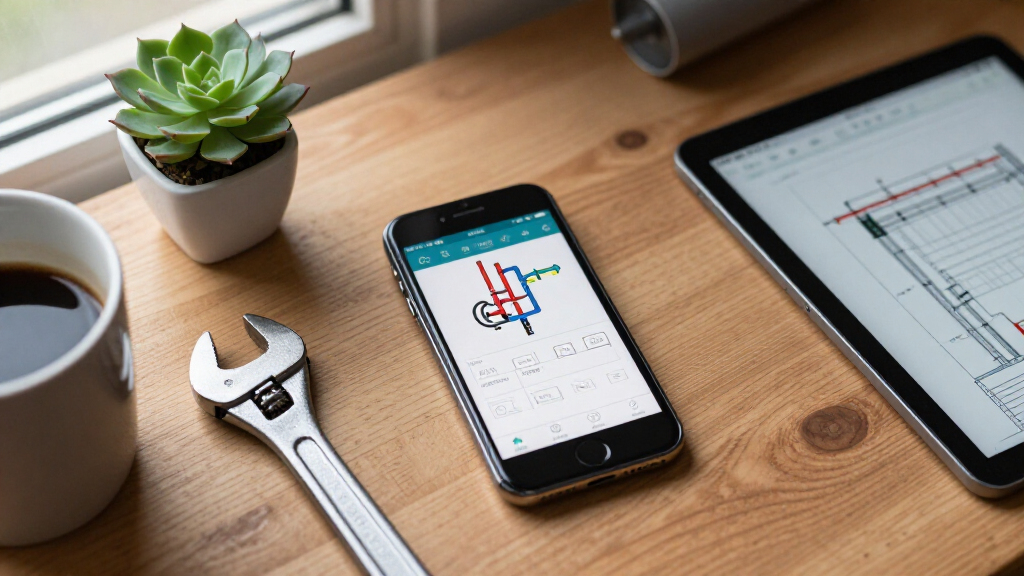
The platform, developed as part of the Gewerkton system, integrates AI to manage workflows, track project statuses, and visualize routing conflicts before they occur. It allows technicians to see whether shafts and wall slots are correctly aligned, reducing unplanned breakthroughs that previously caused hours of delays and rework. According to sources, uncoordinated breakthroughs have been cut from over 40 per project to fewer than five, directly impacting project margins positively.
Moreover, the AI system incorporates a comprehensive photo and documentation grid, ensuring that all pipe and wall photos are collected and verified before walls are closed. This digital record-keeping expedites leak detection and repairs, with some cases reporting leak location times reduced from two days to just 20 minutes. The platform also generates detailed equipment registers and maintenance schedules, supporting post-handover operations and warranty management, thus extending the value of the initial project data.
Why AI-Driven Coordination Is a Game Changer for Construction
This technological shift matters because it directly impacts project efficiency, costs, and quality control. By reducing unplanned wall breakthroughs and rework, companies can save significant labor hours and materials, improving profit margins. Additionally, the improved documentation and coordination enhance long-term asset management and maintenance, providing ongoing value beyond project completion.
Furthermore, this approach addresses longstanding issues in the construction industry, such as miscommunication, incomplete documentation, and reactive problem-solving, paving the way for smarter, more predictable project execution. As AI integration deepens, it could set new standards for quality assurance and operational transparency in building services.
AI-powered plumbing and HVAC coordination platform
As an affiliate, we earn on qualifying purchases.
As an affiliate, we earn on qualifying purchases.
Background on Digital Coordination in Building Services
Historically, plumbing and HVAC installations have relied heavily on manual planning, paper plans, and on-site adjustments, often leading to errors and delays. Breakthroughs requested via email or plans frequently resulted in misalignments, costly rework, and project overruns. Recent innovations introduced digital documentation tools, but these lacked real-time coordination capabilities.
The development of AI-powered platforms like Gewerkton represents a major evolution, combining digital planning, real-time visualization, and automated conflict detection. This approach aligns with broader trends toward Industry 4.0 in construction, emphasizing automation, data integration, and predictive analytics to optimize workflows and reduce waste.
digital construction project management software
As an affiliate, we earn on qualifying purchases.
As an affiliate, we earn on qualifying purchases.
Remaining Challenges and Areas for Further Development
While initial results are promising, it is not yet clear how widely these AI solutions will be adopted across different regions and project types. The long-term reliability and integration with existing construction workflows and standards remain under evaluation. Additionally, the extent to which AI can fully replace manual oversight without introducing new risks is still being studied.
construction site real-time visualization tools
As an affiliate, we earn on qualifying purchases.
As an affiliate, we earn on qualifying purchases.
Next Steps in AI-Enhanced Building Services Coordination
Further deployment of AI platforms across diverse project portfolios is expected, with ongoing refinement based on user feedback and technological advances. Industry stakeholders anticipate increased automation of planning and documentation processes, along with enhanced data analytics for predictive maintenance. Future developments may also include deeper integration with building information modeling (BIM) systems and expanded regional compliance features.
building services workflow automation tools
As an affiliate, we earn on qualifying purchases.
As an affiliate, we earn on qualifying purchases.
Key Questions
How does AI improve plumbing and HVAC coordination?
AI enhances coordination by providing real-time conflict detection, aligning shafts and wall slots accurately, and generating comprehensive documentation, which reduces errors and rework.
What are the main benefits of adopting AI in construction projects?
Benefits include significant reductions in unplanned breakthroughs, faster leak detection, improved project margins, and better long-term asset management.
Are these AI systems suitable for all types of construction projects?
While promising, adoption depends on project size, complexity, and existing workflows. Larger and more complex projects stand to benefit most, but integration challenges remain for some contexts.
What are the main hurdles to wider AI adoption in building services?
Challenges include technological integration with legacy systems, industry standards adaptation, and ensuring reliability and user acceptance of AI-driven processes.
What is the timeline for broader industry adoption?
Initial adoption is already underway, with broader deployment expected over the next 1-3 years as platforms mature and demonstrate proven ROI.
Source: ThorstenMeyerAI.com
Fall Picks
fall essentials
As an affiliate, we earn on qualifying purchases.