
📊 Full opportunity report: Women’s Health Radar on IdeaNavigator AI — validation score, market gap, and execution plan.

Get business pricing on monitors, keyboards and dev gear
- Business-only prices and quantity discounts
- Tax-exempt purchasing
- Multiple users, one account, clear invoices
TL;DR
Women aged 40-58 experiencing unexplained perimenopausal symptoms can now use a new app to track their health patterns. The tool flags potential menopause signals early and connects users with care options, aiming to improve diagnosis and reduce health impacts.
A new digital health application, Women’s Health Radar, is being tested as a workflow to identify early signs of perimenopause in women aged 40-58. The tool aims to improve diagnosis and treatment by tracking symptoms like sleep disruption, mood changes, and hot flashes, and routing women to covered care options. This development comes as menopause care becomes a rapidly growing segment within femtech and digital health.
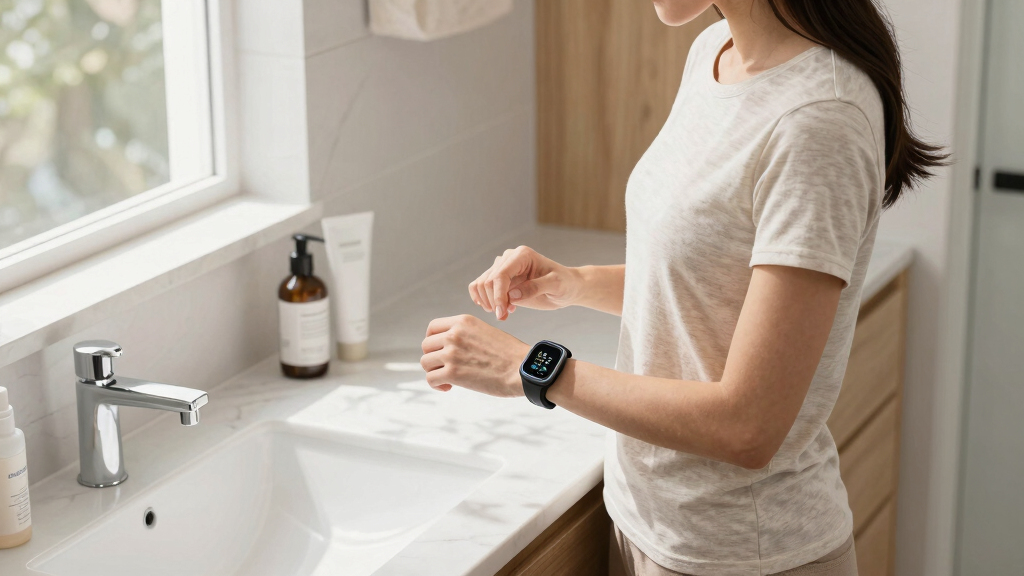
The Women’s Health Radar app is designed for women aged 40-58 experiencing unexplained symptoms associated with perimenopause. It allows users to log daily symptoms such as sleep quality, mood, cycle irregularities, hot flashes, and energy levels, optionally integrating wearable data. The app uses rules-based and machine learning algorithms to compare logged patterns against validated symptom scales, flagging women likely in perimenopause.
Once a pattern is detected, the app generates a clinician-ready symptom summary and suggests referral options, including telehealth or local menopause specialists. The platform emphasizes educational pattern detection rather than providing formal diagnoses. The model includes a freemium subscription for consumers and licensing arrangements with employers and health plans funding menopause benefits. Initial validation involves testing a landing page with a symptom quiz and measuring user engagement and referral requests over 4-6 weeks.
Implications for Women’s Healthcare and Employers
This initiative addresses a critical gap in women’s healthcare, as many women experience undiagnosed perimenopause symptoms that impact their quality of life and work performance. By enabling early detection through digital symptom tracking, Women’s Health Radar could reduce misdiagnosis, improve timely treatment, and decrease absenteeism. The approach also aligns with broader trends in femtech, where digital tools are transforming menopause management and expanding access to care.
women's symptom tracking app for menopause
As an affiliate, we earn on qualifying purchases.
As an affiliate, we earn on qualifying purchases.
Growing Focus on Menopause in Digital Health
Menopause has shifted from taboo to a prominent focus in femtech, with companies like Midi Health reaching a $1 billion valuation as of February 2026. Most major PPO insurers now cover virtual menopause consultations, reflecting increased recognition of menopause as a key health concern. Advances in affordable wearables, validated symptom scales, and AI-driven pattern detection now make early identification of perimenopause feasible, prompting new digital health solutions like Women’s Health Radar.
Historically, women’s perimenopause symptoms have been misattributed to stress or aging, leading to underdiagnosis and untreated health issues. Primary care providers often lack training in menopause management, further delaying proper care. The new app seeks to bridge this gap by providing accessible, data-driven symptom monitoring and early alerts.
“Early detection of perimenopause through digital tools could significantly improve women’s health outcomes and workplace productivity.”
— an anonymous researcher
wearable device for perimenopause symptoms
As an affiliate, we earn on qualifying purchases.
As an affiliate, we earn on qualifying purchases.
Unconfirmed Efficacy and Adoption Challenges
It is not yet clear how accurately the app’s pattern detection will identify women in perimenopause or how well users will adopt and engage with the tool during testing. The effectiveness of the symptom comparison algorithms and the real-world impact on diagnosis rates remain to be validated through ongoing trials and user feedback.
As an affiliate, we earn on qualifying purchases.
Next Steps for Validation and Market Launch
The developers plan to run a 4-6 week pilot using a landing page with a symptom quiz to measure user engagement, opt-in rates, and referral requests. Success metrics include over 25% of quiz completers opting into ongoing tracking and more than 10% requesting clinician summaries or referrals. Pending positive results, broader testing and potential commercialization are expected to follow.
As an affiliate, we earn on qualifying purchases.
Key Questions
How does Women’s Health Radar identify potential perimenopause?
The app logs daily symptoms and compares patterns against validated scales using rules and machine learning algorithms to flag likely perimenopause signals.
Will this app replace a medical diagnosis?
No. The platform provides educational pattern detection and symptom summaries, not formal diagnoses. It aims to guide women toward appropriate healthcare providers.
Who can benefit from using Women’s Health Radar?
Women aged 40-58 experiencing unexplained symptoms such as sleep disturbances, mood swings, or hot flashes are the primary target. Employers and health plans may also benefit through improved employee health and reduced absenteeism.
When will the app be available for broader use?
The current phase involves testing and validation over the next few months. A commercial launch will depend on pilot results and regulatory considerations.
What are the privacy considerations for users?
Details are still being finalized, but data will be handled according to health privacy standards, with user consent for symptom logging and data sharing.
Source: IdeaNavigator AI
Fall Picks
fall essentials
As an affiliate, we earn on qualifying purchases.