
TL;DR

Get business pricing on monitors, keyboards and dev gear
- Business-only prices and quantity discounts
- Tax-exempt purchasing
- Multiple users, one account, clear invoices
A new phone camera-based shade scoring system has been developed to objectively measure tooth whitening progress at home. This breakthrough could transform how consumers track their whitening results, offering more accuracy and personalized recommendations.
Researchers have announced a new system that uses smartphone cameras to objectively measure tooth shade progress during home whitening treatments. This development aims to address the longstanding challenge of subjective, mirror-based assessments, offering users a more precise way to track their whitening results and select effective products. The system’s initial testing phase involves benchmarking camera-based scores against dentist-grade shade readings, with promising results that could lead to a new standard in consumer oral care.
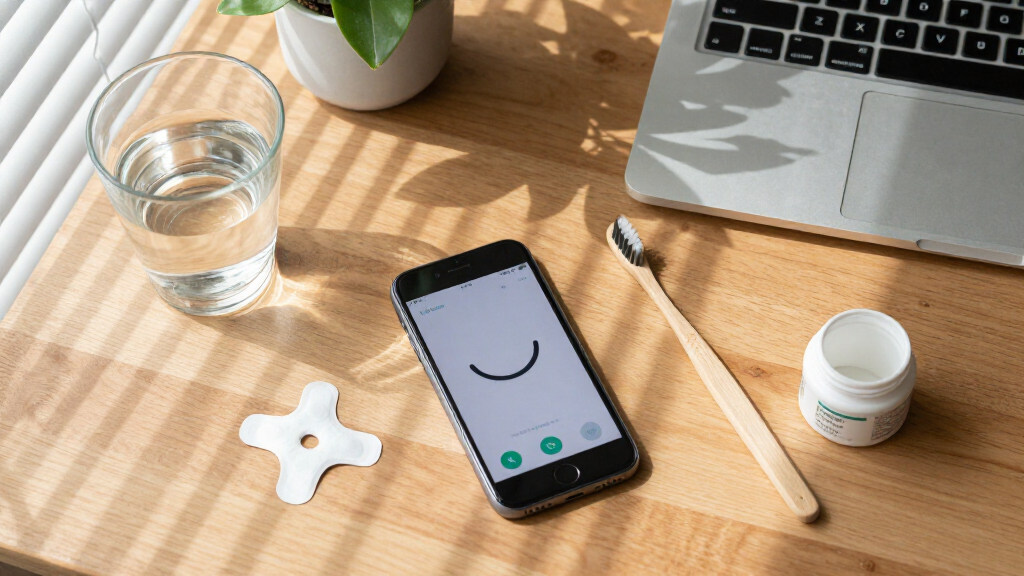
The new system leverages guided-lighting and advanced image processing to capture and analyze tooth color, comparing it against established dental shade scales. According to developers, this approach can generate consistent, calibrated shade scores that reflect real whitening progress. The project targets home whitening users who currently rely on subjective judgment, often resulting in over- or under-treatment and unnecessary product cycling. The initial prototype involves a guided photo flow within an app, which scores teeth, tracks changes over several weeks, and provides personalized product recommendations based on user data and similar cases.
Preliminary testing involves benchmarking the app’s shade scores against dentist VITA shade readings for fifty participants, aiming to establish a strong correlation. If validated, this technology could support a subscription-based model offering ongoing tracking, product suggestions, and affiliate revenue opportunities from proven effective whitening products. Experts note that this innovation could significantly improve consumer confidence and reduce waste in the home whitening market, which currently lacks objective measurement tools.
Potential Impact on Consumer Teeth Whitening
This development could revolutionize home teeth whitening by providing an objective, measurable way to track progress. Currently, most users rely on visual assessment in the mirror, which is subjective and prone to inaccuracies. An accurate phone-based shade scoring system would enable consumers to see real, quantifiable results, potentially reducing unnecessary product use and increasing satisfaction. Additionally, the technology could foster greater confidence in over-the-counter whitening products, support personalized treatment plans, and create new revenue streams for companies through subscription services and product recommendations. If widely adopted, this innovation might shift the entire market toward more data-driven, user-centric solutions.
As an affiliate, we earn on qualifying purchases.
Advances in Smartphone Imaging and Market Need
The concept of using smartphone cameras for dental shade analysis is not new, but recent advances in guided-lighting and image processing have made it increasingly feasible. Traditionally, shade matching has required professional tools like VITA spectrophotometers, which are expensive and not accessible to consumers. Home whitening has remained a guessing game, with users cycling through products without clear feedback on effectiveness. The market for consumer oral care and beauty tech has grown substantially, driven by demand for personalized, at-home solutions. This has created an opportunity for a measurement layer that can objectively assess whitening progress, reducing product waste and improving user satisfaction.
Several startups and research teams are exploring similar concepts, but most are still in early stages. The current breakthrough, as announced by IdeaNavigator AI, involves a guided photo flow that can generate reliable shade scores comparable to professional tools. This aligns with the broader trend of integrating AI and mobile imaging into health and beauty applications, making professional-grade diagnostics accessible to consumers.
“The goal is to create a reliable, user-friendly tool that bridges the gap between professional dental assessments and home use.”
— an anonymous researcher
home teeth whitening progress tracker
As an affiliate, we earn on qualifying purchases.
As an affiliate, we earn on qualifying purchases.
Validation and Adoption Uncertainties
While initial benchmarking shows promising correlation with dentist shade readings, it is not yet confirmed how consistently the system performs across diverse lighting conditions, skin tones, and tooth colors. Larger-scale testing is needed to establish reliability and accuracy. Additionally, questions remain about user adoption, regulatory approval, and integration with existing whitening products and routines. The timeline for commercial deployment and widespread availability is still unclear, as the technology is in early testing stages.
tooth whitening shade matching app
As an affiliate, we earn on qualifying purchases.
As an affiliate, we earn on qualifying purchases.
Next Steps for Development and Market Entry
The next phase involves expanding testing to a larger, more diverse user base to validate accuracy and usability. Developers plan to refine the guided-lighting process, improve image analysis algorithms, and establish standardized calibration protocols. If successful, they aim to launch a pilot app for consumer testing within the next 12 months, followed by potential partnerships with whitening brands. Regulatory considerations, user education, and marketing strategies will also shape the path to broader adoption. Monitoring user feedback and clinical validation results will be crucial in the coming months.
As an affiliate, we earn on qualifying purchases.
Key Questions
How accurate is the phone camera shade scoring compared to professional tools?
Preliminary benchmarks show a strong correlation with dentist VITA shade readings, but full validation across diverse populations is ongoing. Accuracy is expected to improve with further testing and calibration.
Can this system be used with any smartphone?
The initial prototype requires guided lighting and specific image processing, which may limit compatibility initially. Future versions aim to support a broad range of devices with standard cameras.
Will this technology help reduce the number of whitening product cycles?
Yes, by providing objective feedback on progress, users can better determine when they have achieved desired results, avoiding unnecessary product use and expense.
Is the system safe and approved for consumer use?
As a diagnostic aid, the system would need to undergo regulatory review before widespread deployment. Currently, it is in early testing phases without formal approval.
When might this technology be available to consumers?
If development proceeds smoothly, a pilot app could be launched within the next year, with wider availability depending on validation, regulatory approval, and market response.
Source: IdeaNavigator AI
Fall Picks
fall essentials
As an affiliate, we earn on qualifying purchases.