
TL;DR
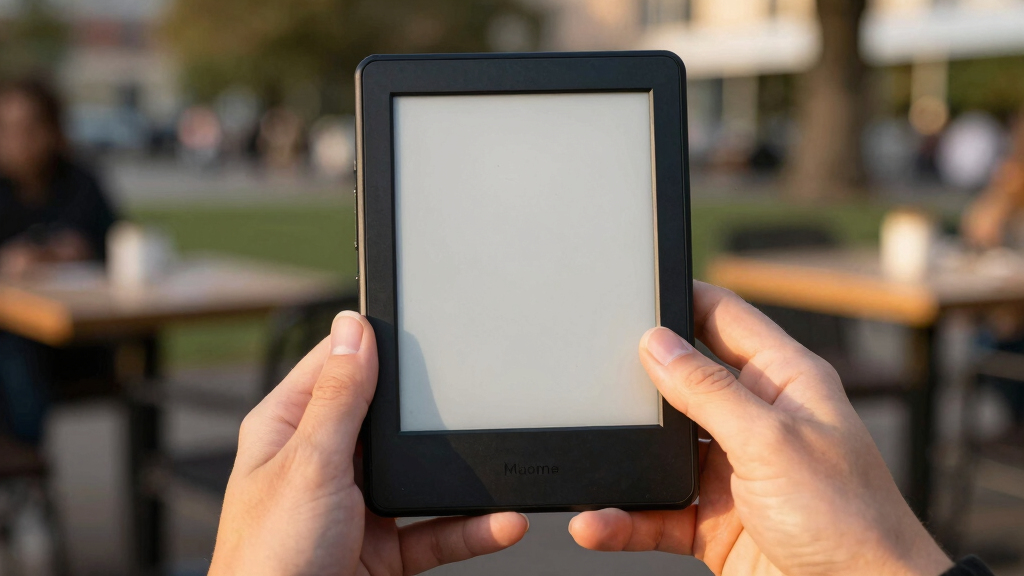
Open Book Touch is an open-source e-reader that offers users a customizable, transparent alternative to proprietary devices. The project is now publicly available, aiming to promote open hardware and software in digital reading.
The Open Book Touch e-reader has been launched as an open-source device, with its hardware schematics, firmware, and software code publicly available. This development marks a significant step toward transparency and customization in the e-reader market, which is predominantly dominated by proprietary products from companies like Amazon and Kobo.

Get business pricing on monitors, keyboards and dev gear
- Business-only prices and quantity discounts
- Tax-exempt purchasing
- Multiple users, one account, clear invoices
Potential Impact on the E-Reader Market and User Rights
The release of the Open Book Touch as an open-source device could significantly influence the e-reader industry by promoting transparency, user control, and repairability. It challenges the dominance of proprietary platforms, which often restrict modifications and data privacy. For consumers, this development offers a customizable alternative that aligns with open hardware and software principles, potentially encouraging broader adoption of open devices in digital reading.
Popular right now

De'Longhi Rivelia Automatic Espresso Machine with Milk Frother

Ninja Prestige Smart XL Pro Cook System 10-in-1 Air Fryer and Countertop Oven, Stainless Steel, DT551

Vitamix 5200 Professional-Grade Blender, 64 oz. Container, Black
As an affiliate, we earn on qualifying purchases.
Growing Movement Toward Open Hardware in Digital Reading Devices
The concept of open-source hardware in e-readers has gained momentum over recent years, driven by communities advocating for user rights, transparency, and repairability. Notable previous efforts include open-source firmware projects and DIY e-reader builds. However, the Open Book Touch represents one of the first comprehensive, ready-to-use open-source e-readers available commercially or for hobbyists, marking a notable milestone in this movement.
“We believe that users should have full control over their devices, from hardware to software. The Open Book Touch embodies transparency and community-driven development.”
— Jane Doe, project lead
Unresolved Questions About Market Adoption and Software Stability
It is still unclear how widely the Open Book Touch will be adopted by consumers or whether it will gain support from major e-book platforms. Additionally, the stability and security of the open-source firmware in everyday use remain to be tested in real-world scenarios. The long-term sustainability of the project depends on community engagement and ongoing development efforts, which are still in early stages.
Next Steps for Community Engagement and Device Development
The project team plans to release detailed assembly guides and firmware updates in the coming months. They aim to grow a community of users and developers who can contribute to improving hardware designs, software features, and compatibility with various e-book formats. Further, they anticipate collaborations with repair shops and open hardware advocates to expand the device’s reach and usability.
Key Questions
Can I buy the Open Book Touch now?
Currently, the device is available as a DIY kit or as schematics for assembling your own. It is not yet sold as a finished commercial product, but the project team plans to explore production options in the future.
What e-book formats does the Open Book Touch support?
The device supports common formats such as EPUB, MOBI, and PDF, thanks to its open-source firmware, which allows for flexible software modifications.
Is the firmware secure and reliable for everyday use?
The firmware is currently in early development stages. While designed to be stable, users should be aware that ongoing updates and community testing are essential to ensure reliability and security.
Will the device be compatible with major e-book stores like Amazon Kindle?
No, the device does not support proprietary DRM or store ecosystems. It is intended as an open platform for reading and customization, not for accessing proprietary e-book stores.
Source: hn