
TL;DR
Abyssal Station has integrated a novel AI scroll engine that simulates a deep-sea descent with immersive visual and interactive effects. This development significantly advances virtual ocean exploration technology, providing a highly realistic experience. The full technical process and future implications are still being evaluated.
Abyssal Station, a virtual deep-sea research platform, has introduced a groundbreaking AI scroll engine that creates a highly immersive simulation of descending into the ocean’s depths. This technical innovation enhances the station’s exploration capabilities and offers a new standard for virtual underwater experiences, making it a significant development in digital oceanography and interactive media.
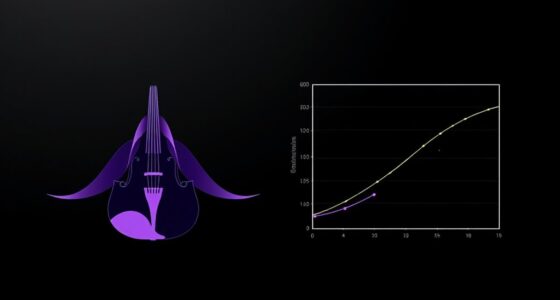
The new scroll-driven depth engine anchors visual and interactive elements to simulated water depths, dynamically adjusting background colors, lighting, and creature animations based on user scroll position. Developed through a rigorous three-phase process involving building, critique, and artistic validation, the engine employs CSS variables, JavaScript interpolation, and WebGL to produce a seamless, realistic sinking sensation. The experience includes stylized aquatic entities reacting to depth, particle drift effects, and a carefully curated oceanic palette, all designed to be accessible and self-contained.
According to Thorsten Meyer, the creator behind the project, the engine’s core innovation is its ability to synchronize visual cues with simulated depth, resulting in a convincing sense of sinking that enhances user immersion. The entire experience is built with pure HTML, CSS, and JavaScript, with no external assets or frameworks, ensuring high performance and accessibility across devices. The development process included multiple iterations and critiques to refine interaction fluidity, visual harmony, and accessibility standards.
Impact on Virtual Deep-Sea Exploration and Media
This innovation represents a major step forward in virtual ocean exploration and immersive digital experiences. By creating a realistic sinking sensation through synchronized visual effects, the AI scroll engine enhances the fidelity of virtual environments, which could influence future research, education, and entertainment platforms. It demonstrates how advanced web technologies can deliver complex, emotionally resonant experiences without external assets, potentially reducing costs and increasing accessibility for immersive media development. The approach also sets a new benchmark for interactive storytelling and scientific visualization in digital environments.
virtual reality underwater exploration headset
As an affiliate, we earn on qualifying purchases.
As an affiliate, we earn on qualifying purchases.
Origins and Development of the Abyssal Scroll Engine
The concept originated from a collaborative effort to simulate the physical sensation of sinking into the ocean for educational and exploratory purposes. The initial prototype employed CSS and JavaScript to interpolate background colors and lighting based on scroll position, inspired by the ocean’s layered palette. Over several development phases, the team refined the interaction through critiques and artistic validation, ensuring both technical precision and emotional impact. This process culminated in a fully integrated, self-contained experience that mimics a 3,800-meter descent with visual and interactive fidelity.
Thorsten Meyer notes that the project builds on existing web technologies but pushes their limits by orchestrating complex, synchronized effects that respond to user input in real-time. The experience is part of a broader initiative to leverage AI and web standards to create immersive, accessible digital environments that can serve educational, scientific, and artistic purposes.
“This engine transforms how we experience virtual underwater worlds, making the descent feel truly physical and emotionally engaging.”
— Thorsten Meyer
As an affiliate, we earn on qualifying purchases.
Unresolved Aspects and Future Developments
While the technical framework has been demonstrated successfully, it is not yet clear how scalable or adaptable the AI scroll engine will be for other applications beyond Abyssal Station. The long-term impact on scientific visualization and user engagement remains to be evaluated through further testing and user feedback. Additionally, questions about how the engine performs across diverse devices and accessibility settings are still being explored.
interactive ocean exploration device
As an affiliate, we earn on qualifying purchases.
As an affiliate, we earn on qualifying purchases.
Upcoming Steps and Potential Enhancements
Developers plan to expand the engine’s capabilities, including integrating more complex creature behaviors, expanding environmental effects, and exploring applications in educational platforms and scientific research tools. Further testing will focus on optimizing performance and accessibility. There is also interest in adapting the technology for other immersive web experiences, potentially influencing future standards for virtual exploration and storytelling.
As an affiliate, we earn on qualifying purchases.
Key Questions
How does the AI scroll engine improve virtual ocean exploration?
The engine creates a realistic sinking sensation by synchronizing visual effects with simulated depth, enhancing immersion and emotional engagement in virtual environments.
Is the technology applicable to other fields or experiences?
Yes, the underlying principles could be adapted for scientific visualization, educational tools, and immersive storytelling beyond Abyssal Station.
What are the technical requirements for experiencing this engine?
The experience runs on standard web browsers with modern HTML, CSS, and JavaScript support, designed to be accessible across devices without external assets.
Are there plans to commercialize or expand this technology?
Development teams are exploring broader applications and potential collaborations, but specific commercialization plans have not been announced.
How does this compare to other virtual exploration tools?
This engine offers a higher level of visual and interactive fidelity by tightly integrating synchronized effects, setting a new standard for web-based immersive experiences.
Source: ThorstenMeyerAI.com